Book on WhatsApp
In-centre treatment · Folli Series

Folli-Fuel

A professional scalp treatment done at our centre by our team, not a take-home product. Freeze-dried sheep placenta and caviar extracts are infused into the scalp with non-invasive micro-crystal infusion.

  • In-centre only
  • Micro-crystal infusion

Price Quoted after your scalp check

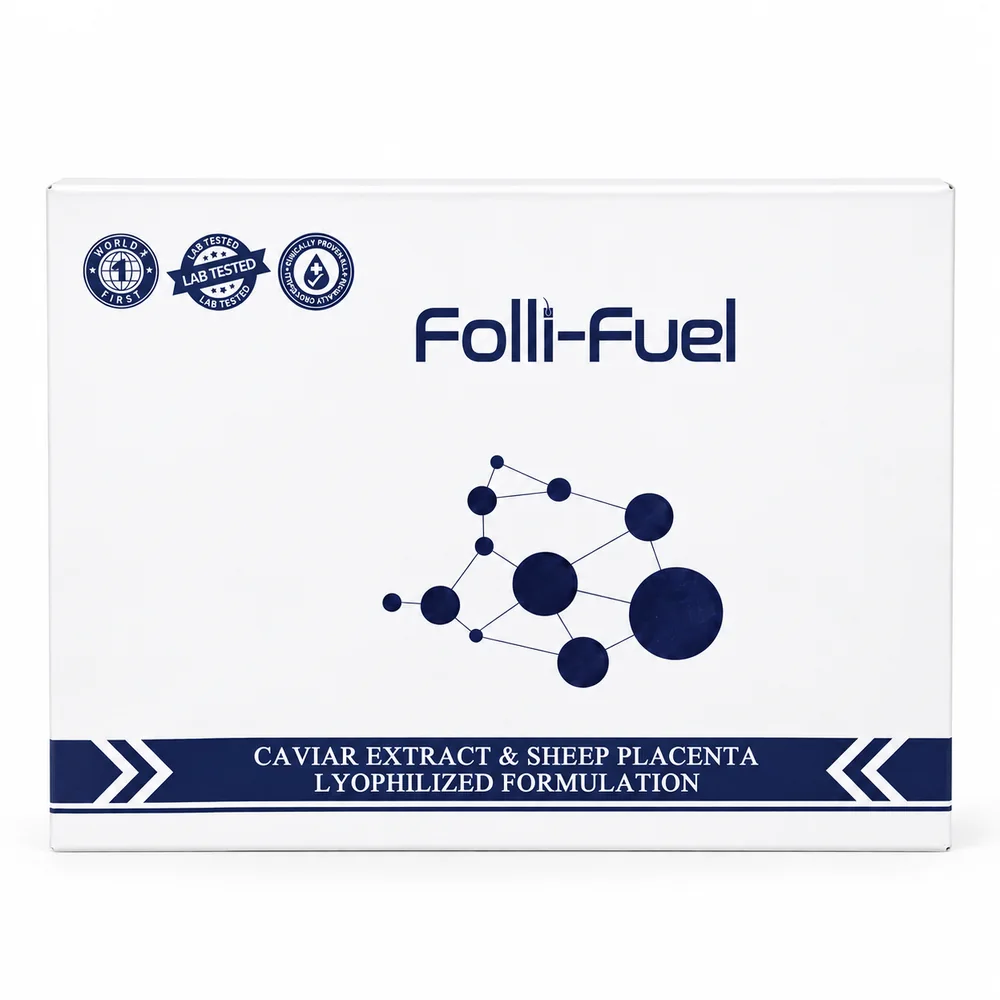
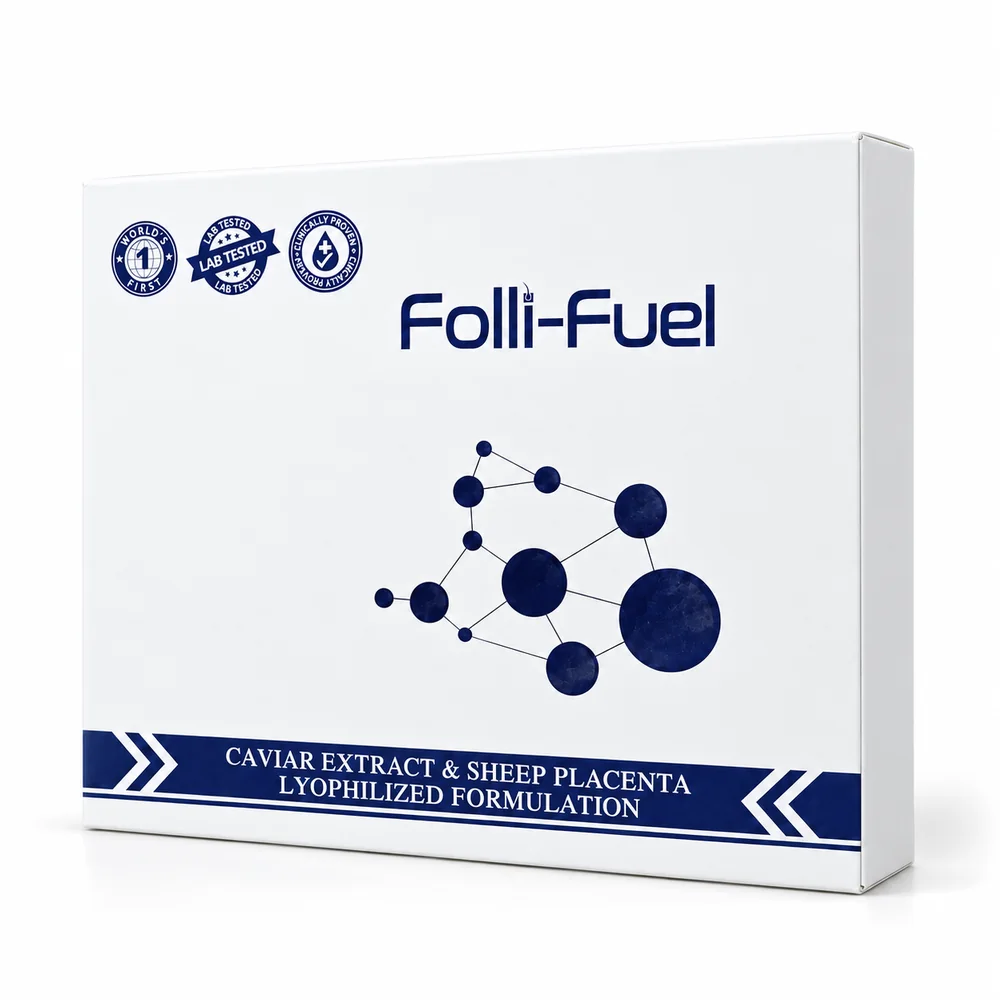
Folli-Fuel kit, open box with vials
001

Overview

Each Folli-Fuel kit holds vials of freeze-dried sheep placenta extract powder, caviar extract concentrate and a Hyaluronic Renewal Serum. Freeze-drying is a standard way to keep protein-based ingredients stable.

Tell the team about any allergies, especially to fish or seafood, and if you are pregnant or breastfeeding.

002

What it is

Folli-Fuel is our signature professional scalp treatment, performed at our centre by our experienced team. It is not a take-home product.

At its heart are two rare actives, sheep placenta extract and caviar extract, preserved by lyophilization (freeze-drying). They are delivered into the scalp with a non-invasive micro-crystal infusion technique, alongside a Hyaluronic Renewal Serum.

Why freeze-dry? Proteins and peptides are delicate in liquid form and can degrade during handling and storage. Freeze-drying removes water at low temperature and is a standard way to keep protein-based actives stable [1][4]. The Folli-Fuel actives are prepared through raw-material preparation, blending, low-temperature freezing, vacuum drying, milling and quality control, a demanding process that is part of why the treatment is premium.

Each Folli-Fuel kit contains lyophilized sheep placenta extract powder vials, caviar extract vitalizing concentrate vials and the Hyaluronic Renewal Serum (labelled Caviar-Sheep Placenta-Polypeptide Protein Essence, 10 ml).

003

Who it’s for

Good for

  • Adults who want a premium, professionally delivered scalp treatment in our centre.
  • People who already have a home routine (such as Folli-Fix) and want an expert-led treatment alongside it. Ask our team.
  • Anyone looking for a non-invasive treatment experience.

Not for

  • Anyone with an allergy to fish, fish roe (caviar) or seafood, or to animal-derived ingredients. Caviar is fish roe, and roe allergy can occur even in people who tolerate fish [5].
  • Children. Placenta-containing hair products have been linked to early puberty signs in young children [6].
  • Pregnancy or breastfeeding: tell our team, who will advise.
  • Broken, infected or acutely inflamed scalp skin; treatment should be postponed.
004

Key ingredients

01

Lyophilized sheep placenta extract

Signature active

Placental extracts are among the most closely watched natural actives in hair science. In laboratory studies, human placental extract stimulated the dermal papilla cells that drive hair growth and delayed the hair follicle's regression phase [7]. In mice, placental extracts lengthened the growth phase and increased follicle size [8][9]. Research on sheep placenta specifically has so far focused on its antioxidant activity [2][10]. Human studies on other placenta types are summarised in our Research Hub.

02

Caviar extract (fish roe)

Vitalizing concentrate

Caviar is sturgeon roe; its extracts contain phospholipids rich in the omega-3 DHA, and enzyme treatment yields mainly low-molecular-weight peptides [3][11]. In a randomised, double-blind, placebo-controlled trial, an enzyme-treated caviar extract taken orally improved skin hydration within 4 weeks and elasticity within 8 weeks [11]. In laboratory and animal studies, caviar extract protected skin from UV-induced dehydration, oxidative stress and inflammation [12][3]. DHA from fish oil has stimulated dermal papilla cells and growth-phase signalling in hair-follicle models [13]. Caviar extract has not yet been studied directly for hair.

03

Hyaluronic Renewal Serum (Caviar-Sheep Placenta-Polypeptide Protein Essence)

Hydration and peptide support

The renewal serum layers hydration with protein-derived peptides. Hyaluronic acid is a benchmark, well-tolerated hydrator [14]. Peptides are short chains of amino acids that can act as cell signals; copper peptides, for example, stimulated human hair follicle elongation and dermal papilla cell growth in laboratory studies [15][16].

005

How to use

  1. 01

    Book your Folli-Fuel session at our centre. Folli-Fuel is performed only by our experienced team.

  2. 02

    Your scalp is assessed before treatment. Tell the team about any allergies (especially fish or seafood), skin conditions, medicines, pregnancy or breastfeeding.

  3. 03

    The freeze-dried actives are prepared for your treatment and infused into the scalp using non-invasive micro-crystal technology.

  4. 04

    The Hyaluronic Renewal Serum completes the treatment.

  5. 05

    Follow the aftercare guidance from our team.

  • Folli-Fuel is not a take-home product and should not be self-administered.
006

What to expect

Hair follicles change on a timescale of months, not days. Each growth phase lasts years and each resting phase months [17], so any treatment should be judged over a full course, not after a single session.

  1. During the session

    A non-invasive, professionally guided treatment in our centre.

  2. Over the course

    Our team will track your scalp's progress. scalp photos]

  3. Long term

    A healthy scalp environment matters for the hair that grows from it [18]. Combining professional care with a consistent home routine gives the best foundation.

No clinical study of Folli-Fuel itself has been published, and results vary between individuals.

008

Safety notes

  • Contains animal-derived ingredients: sheep placenta extract and caviar (fish roe) extract. Tell our team about any food, fish, seafood or animal-product allergies [5].
  • Not for children [6].
  • Tell our team if you are pregnant or breastfeeding.
  • Treatment is postponed on broken, infected or inflamed scalp skin.
  • Performed only by our trained team at the centre; never self-administer.
009

What’s included

  • A scalp check before anything is recommended
  • Your plan explained in plain words
  • The full price before you decide, with no obligation
  • Aftercare guidance to take home
  • Done by our team at the centre
011

From the original site

Folli-Fuel

Full product name

Folli-Fuel (Sheep Placenta Extract & Caviar Extract : Lyophillized)

Format

Professional in-centre treatment performed by an experienced team at our centre, using micro-crystal non-invasive infusion

Treatment kit

Kit containing lyophilized sheep placenta extract powder vials, caviar extract concentrate vials and Hyaluronic Renewal Serum (labelled Caviar-Sheep Placenta-Polypeptide Protein Essence, 10ml)

Folli-Fuel is performed at our centre. It is not a take-home product.

Product description

Who it's for

Not suitable for

  • Anyone with an allergy to fish, fish roe (caviar) or seafood, or to animal-derived ingredients. Caviar is fish roe, and roe allergy can occur even in people who tolerate fish3.
  • Children. Placenta-containing hair products have been linked to early puberty signs in young children4.

Tips

What to expect

Notes

  • Contains animal-derived ingredients: sheep placenta extract and caviar (fish roe) extract. Tell our team about any food, fish, seafood or animal-product allergies3.

Pairs well with

What is Folli-Fuel?

Folli-Fuel is a professional, non-invasive scalp treatment performed at our centre. It infuses freeze-dried (lyophilized) sheep placenta extract and caviar extract into the scalp using micro-crystal technology, finished with a Hyaluronic Renewal Serum.

No. Folli-Fuel is an in-centre treatment carried out only by our experienced team. It is not a take-home product.

Lyophilization is freeze-drying: removing water from an ingredient at very low temperature under vacuum. It is a standard method for keeping delicate proteins and peptides stable during storage and transport1,2, which is why Folli-Fuel's actives are supplied as freeze-dried powder.

Is Folli-Fuel invasive?

No. Folli-Fuel uses a non-invasive micro-crystal infusion technique, performed by our trained team.

I have a seafood allergy. Can I have Folli-Fuel?

Freeze-dried sheep placenta extract and caviar extract, infused into the scalp by our experienced team in a non-invasive, in-centre micro-crystal treatment.

Concept artwork. For the product itself, see the photo above.

Source: drstevengoh.com

Rebirth Your Hair

Hyaluronic Renewal Serum

Sheep Placenta Extract vial, lyophilized powder

Caviar Extract vial, vitalizing concentrate

Source: drstevengoh.com

References

Solid-state protein formulations

Angkawinitwong U et al. · Ther Deliv · 2015

Proteins and peptides in liquid form often degrade during handling; solid formulations, including freeze-dried products, are used to maintain stability during storage and transport.

Drying Technologies for the Stability and Bioavailability of Biopharmaceuticals

Emami F et al. · Pharmaceutics · 2018

Freeze-drying is one of the main drying methods used to improve the storage stability of therapeutic proteins.

Severe reactions from roe without concomitant fish allergy

Mäkinen-Kiljunen S et al. · Ann Allergy Asthma Immunol · 2003

Premature sexual development in children following the use of estrogen- or placenta-containing hair products

Tiwary CM · Clin Pediatr (Phila) · 1998

Asghar F et al. · Cureus · 2020

Review + treatment study

Role of scalp health in achieving optimal hair growth and retention

Tosti A et al. · Int J Cosmet Sci · 2021

In vitro + ex vivo study

Kwon TR et al. · Int J Mol Med · 2015

Human placental extract increased human dermal papilla cell proliferation and β-catenin signalling, elongated rat whisker follicles and delayed catagen.

Kwon TR et al. · Clin Exp Dermatol · 2015

Zhang D et al. · Indian J Dermatol · 2011

Effect of sheep placenta extract on D-galactose-induced aging mouse

He S et al. · Front Pharmacol · 2025

Sheep placenta extract raised antioxidant enzymes (SOD, GSH-Px, catalase) and lowered oxidative-stress marker MDA in ageing mice.

In vitro + in silico study

Antioxidant peptides of sheep placental extract digestion product: In vitro and in silico study

Wali A et al. · Biochem Biophys Res Commun · 2025

Digestion of sheep placenta extract released low-molecular-weight peptides with antioxidant (radical-scavenging) activity.

Caviar Extract and Its Constituent DHA Inhibits UVB-Irradiated Skin Aging by Inducing Adiponectin Production

Lee KE et al. · Int J Mol Sci · 2020

Randomised, double-blind, placebo-controlled trial (oral)

Na GH et al. · Nutrients · 2023

An oral enzyme-treated caviar extract (mainly low-molecular-weight peptides) improved skin hydration and transepidermal water loss at 4 weeks and skin elasticity at 8 weeks.

Mouse + cell study

Enzyme-Treated Caviar Prevents UVB Irradiation-Induced Skin Photoaging

Park J et al. · Mar Drugs · 2022

Enzyme-treated caviar extract protected against UVB-induced dehydration, oxidative stress and inflammation, and increased hyaluronic acid in keratinocytes.

Ex vivo + mouse + cell study

Kang JI et al. · Int J Mol Sci · 2018

Review + RCT summary

Bravo B et al. · Dermatol Ther · 2022

Ex vivo human follicle + cell study

The effect of tripeptide-copper complex on human hair growth in vitro

Pyo HK et al. · Arch Pharm Res · 2007

The tripeptide-copper complex AHK-Cu stimulated elongation of human hair follicles ex vivo and proliferation of dermal papilla cells.

Pickart L et al. · Biomed Res Int · 2015

The copper peptide GHK-Cu, naturally present in plasma and declining with age, supports skin repair, collagen and glycosaminoglycan synthesis, and wound healing including of hair follicles in animal studies.

Final report on the safety assessment of human placental protein, hydrolyzed human placental protein, human placental enzymes, human placental lipids, human umbilical extract, placental protein, hydrolyzed placental protein, placental enzymes, placental lipids, and umbilical extract

Nair B et al. · Int J Toxicol · 2002

Anaphylaxis to Russian Beluga caviar

Untersmayr E et al. · J Allergy Clin Immunol · 2002

General information only, not medical advice. Speak to a qualified professional about your own scalp and hair.

Source: drstevengoh.com

More from the range

Folli-Care

Scalp gel · 10ml

Folli-Fix X10

Men's liquid, dropper · 60ml

Folli-Flux

Scalp serum · 30ml

Source: drstevengoh.com

012

What it is

Folli-Fuel is our signature professional scalp treatment, performed at our centre by our experienced team. It is not a take-home product.

At its heart are two rare actives, sheep placenta extract and caviar extract, preserved by lyophilization (freeze-drying). They are delivered into the scalp with a non-invasive micro-crystal infusion technique, alongside a Hyaluronic Renewal Serum.

Why freeze-dry? Proteins and peptides are delicate in liquid form and can degrade during handling and storage. Freeze-drying removes water at low temperature and is a standard way to keep protein-based actives stable12. The Folli-Fuel actives are prepared through raw-material preparation, blending, low-temperature freezing, vacuum drying, milling and quality control, a demanding process that is part of why the treatment is premium.

Each Folli-Fuel kit contains lyophilized sheep placenta extract powder vials, caviar extract vitalizing concentrate vials and the Hyaluronic Renewal Serum (labelled Caviar-Sheep Placenta-Polypeptide Protein Essence, 10 ml).

013

Who it is for

  • Adults who want a premium, professionally delivered scalp treatment in our centre.
  • People who already have a home routine (such as Folli-Fix) and want an expert-led treatment alongside it. Ask our team.
  • Anyone looking for a non-invasive treatment experience.

Not suitable for

  • Anyone with an allergy to fish, fish roe (caviar) or seafood, or to animal-derived ingredients. Caviar is fish roe, and roe allergy can occur even in people who tolerate fish3.
  • Children. Placenta-containing hair products have been linked to early puberty signs in young children4.
  • Pregnancy or breastfeeding: tell our team, who will advise.
  • Broken, infected or acutely inflamed scalp skin; treatment should be postponed.
014

Every ingredient, explained

Lyophilized sheep placenta extract · Signature active

Placental extracts are among the most closely watched natural actives in hair science. In laboratory studies, human placental extract stimulated the dermal papilla cells that drive hair growth and delayed the hair follicle's regression phase5. In mice, placental extracts lengthened the growth phase and increased follicle size67. Research on sheep placenta specifically has so far focused on its antioxidant activity89. Human studies on other placenta types are summarised in our Research Hub.

Sheep placenta extract (lyophilized): How it works

Sheep placenta extract also raised the body's antioxidant enzymes in ageing mice8, and its digested peptides scavenge free radicals9.

What the evidence shows

Cells and follicles: human placental extract increased dermal papilla cell proliferation, elongated hair follicles in organ culture and delayed catagen5.

Animals: injected human placental extract triggered earlier, longer anagen and larger follicles in mice, and enhanced minoxidil's effect6. Topical cow placenta extract increased follicle size and hair length in mice via IGF-1, although less than minoxidil7. Porcine placenta peptides prolonged anagen in mice10.

A porcine placenta serum increased hair elongation in a one-month study11. An early uncontrolled 1982 report described benefit from placental injections in women12.

Sheep placenta specifically has not yet been tested for hair growth.

Safety and precautions

Animal-derived: relevant for allergies and dietary or religious preferences.

The US Cosmetic Ingredient Review panel concluded that placental ingredients should not deliver hormonal activity and must be free of pathogens13. Case reports linked oestrogen- or placenta-containing hair products to early puberty signs in young children4; keep away from children.

Bottom line

Placental extracts are one of the more interesting natural actives in hair research, with consistent laboratory signals and one encouraging randomised trial (of cow placenta). The evidence is still early, and sheep placenta itself awaits hair-specific study.

Caviar extract (fish roe) · Vitalizing concentrate

Caviar is sturgeon roe; its extracts contain phospholipids rich in the omega-3 DHA, and enzyme treatment yields mainly low-molecular-weight peptides1415. In a randomised, double-blind, placebo-controlled trial, an enzyme-treated caviar extract taken orally improved skin hydration within 4 weeks and elasticity within 8 weeks15. In laboratory and animal studies, caviar extract protected skin from UV-induced dehydration, oxidative stress and inflammation1614. DHA from fish oil has stimulated dermal papilla cells and growth-phase signalling in hair-follicle models17. Caviar extract has not yet been studied directly for hair.

Caviar extract (fish roe): How it works

Caviar extract has antioxidant and anti-inflammatory activity in skin cells, protects against UV-induced damage and increases hyaluronic acid in keratinocytes1618. Its DHA has been shown to stimulate dermal papilla cells in hair-follicle models1714.

What the evidence shows

Skin (human): in a randomised, double-blind, placebo-controlled trial, an oral enzyme-treated caviar extract improved skin and dermal hydration and reduced transepidermal water loss after 4 weeks, with improved elasticity and wrinkle measures at 8 weeks15.

Skin (laboratory and animal): caviar extracts protected against UVB-induced dehydration, oxidative stress and inflammation161814.

Hair (related evidence): DHA from fermented fish oil increased dermal papilla cell proliferation and promoted anagen entry17. Oral marine-protein supplements reduced shedding and increased hair counts or diameter in randomised trials in women1920. These are different marine ingredients and routes, not caviar on the scalp.

Safety and precautions

Fish-roe allergy exists and can be severe, sometimes without fish allergy321. Anyone with fish or seafood allergy must disclose it before treatment.

Bottom line

Caviar extract has promising skin science and a plausible link to follicle biology through its peptides and omega-3s. Direct hair evidence is still to come.

Hyaluronic Renewal Serum (Caviar-Sheep Placenta-Polypeptide Protein Essence) · Hydration and peptide support

The renewal serum layers hydration with protein-derived peptides. Hyaluronic acid is a benchmark, well-tolerated hydrator22. Peptides are short chains of amino acids that can act as cell signals; copper peptides, for example, stimulated human hair follicle elongation and dermal papilla cell growth in laboratory studies2324.

Hyaluronic acid: How it works

HA is hygroscopic: it attracts and holds water. Applied topically it improves surface hydration and is used across cosmeceuticals for its hydrating and viscoelastic properties2225. Its effects depend on molecular weight; in recent laboratory work, medium-weight HA fragments signalled through the CD44 receptor to support dermal papilla cells26.

What the evidence shows

Skin: reviews of clinical studies support HA-based products as a non-invasive, well-tolerated way to improve skin hydration2225.

Scalp: dandruff is associated with a weakened scalp barrier and raised water loss27, one rationale for hydrating scalp care. In a reconstructed-skin model, a non-cross-linked HA formulation showed antimicrobial activity against scalp microbes including Malassezia and lowered the inflammatory marker IL-828.

Hair follicle (laboratory): a non-cross-linked HA formulation protected human dermal papilla cells from UVB damage and increased VEGF, a growth factor linked to follicle blood supply29. Medium-molecular-weight HA stimulated hair follicle development in mice26.

Hair (human, injected): in an uncontrolled study, 26 volunteers with androgenetic alopecia received six sessions of scalp injections of an HA complex and showed improved thickness and density30. Injection is a different route from a topical gel, and there was no control group.

Safety and precautions

HA is generally very well tolerated topically22.

Bottom line

Hyaluronic acid is skincare's benchmark hydrator, and early laboratory research hints at a role around the follicle. On the scalp, its proven job is hydration and comfort.

015

How to use, step by step

  1. 01

    Book your Folli-Fuel session at our centre. Folli-Fuel is performed only by our experienced team.

  2. 02

    Your scalp is assessed before treatment. Tell the team about any allergies (especially fish or seafood), skin conditions, medicines, pregnancy or breastfeeding.

  3. 03

    The freeze-dried actives are prepared for your treatment and infused into the scalp using non-invasive micro-crystal technology.

  4. 04

    The Hyaluronic Renewal Serum completes the treatment.

  5. 05

    Follow the aftercare guidance from our team.

How often

Tips

  • Folli-Fuel is not a take-home product and should not be self-administered.
016

What to expect, week by week

Hair follicles change on a timescale of months, not days. Each growth phase lasts years and each resting phase months31, so any treatment should be judged over a full course, not after a single session.

During the session

A non-invasive, professionally guided treatment in our centre.

Over the course

Our team will track your scalp's progress. scalp photos]

Long term

A healthy scalp environment matters for the hair that grows from it32. Combining professional care with a consistent home routine gives the best foundation.

No clinical study of Folli-Fuel itself has been published, and results vary between individuals.

017

How it compares and pairs with related products

Folli-Fix

Folli-Fix minoxidil foam for daily home care. Ask our team how to schedule it around treatment days.

Folli-Fix X10

Folli-Fix X10 for men's once-daily home care, timed around treatment days as advised.

Folli-Care

Folli-Care for daily scalp hydration between visits.

018

Price

RM2,499

019

Safety and precautions

  • Contains animal-derived ingredients: sheep placenta extract and caviar (fish roe) extract. Tell our team about any food, fish, seafood or animal-product allergies3.
  • Not for children4.
  • Tell our team if you are pregnant or breastfeeding.
  • Treatment is postponed on broken, infected or inflamed scalp skin.
  • Performed only by our trained team at the centre; never self-administer.
020

Frequently asked questions

What is Folli-Fuel?

Folli-Fuel is a professional, non-invasive scalp treatment performed at our centre. It infuses freeze-dried (lyophilized) sheep placenta extract and caviar extract into the scalp using micro-crystal technology, finished with a Hyaluronic Renewal Serum.

Can I buy Folli-Fuel to use at home?

No. Folli-Fuel is an in-centre treatment carried out only by our experienced team. It is not a take-home product.

What is lyophilization and why does it matter?

Lyophilization is freeze-drying: removing water from an ingredient at very low temperature under vacuum. It is a standard method for keeping delicate proteins and peptides stable during storage and transport12, which is why Folli-Fuel's actives are supplied as freeze-dried powder.

Is Folli-Fuel invasive?

No. Folli-Fuel uses a non-invasive micro-crystal infusion technique, performed by our trained team.

What does the research say about placenta extract and hair?

It is promising but early. Laboratory and mouse studies show placental extracts can stimulate hair-follicle cells and lengthen the growth phase56. Sheep placenta has not yet been studied directly for hair; human studies on other placenta types are covered in our Research Hub and blog.

I have a seafood allergy. Can I have Folli-Fuel?

Please tell our team before booking. Folli-Fuel contains caviar extract, which comes from fish roe, and roe allergy can occur even in people who tolerate fish321.

How much does Folli-Fuel cost?

Folli-Fuel is RM2,499.

021

Further reading

Placenta Extract and Hair: What the Science Really Says

Placenta has a long history as a traditional medicinal substance, and human placental extract is widely used in Korea to relieve fatigue. Today it is the subject of serious laboratory research, including studies on hair growth. But the research comes from several different sources of placenta, and the strength of the evidence varies. Here is an honest look at what science has found, and what it has not.

What is placenta extract?

The placenta is the organ that nourishes a developing baby during pregnancy. It is rich in proteins, peptides, growth factors and other bioactive molecules. Placenta extracts used in research and in beauty products come from different species, including human, cow (bovine), pig (porcine), goat and sheep (ovine).

That detail matters: a study on one type of placenta does not automatically apply to another.

How placenta extract may act on the hair follicle

Laboratory studies point to several mechanisms:

  • It also lengthened rat whisker follicles and delayed catagen, the phase where growth stops.
  • Extending the growth phase. In mice, human placental extract induced an earlier and longer anagen phase and increased the number and size of hair follicles. It also augmented the effect of minoxidil.
  • Raising IGF-1. Topical cow placenta extract increased follicle size and hair length in mice by raising IGF-1, a growth factor important for follicles, though it was less effective than minoxidil in that study.
  • Antioxidant activity. Porcine placenta extract reduced oxidative stress and inflammatory markers in cells. For sheep placenta specifically, extract raised the body's own antioxidant enzymes (SOD, glutathione peroxidase and catalase) and lowered the oxidative-stress marker MDA in ageing mice, and digestion released small peptides with antioxidant activity.

The human studies

This is where placenta extract becomes genuinely interesting, and where it is important to be precise.

This is the strongest human evidence for placenta extract and hair.

A small one-month study (porcine placenta). A serum containing porcine placenta extract increased skin hydration and hair elongation over one month.

Early clinical reports. As far back as 1982, an uncontrolled report described improvement in 65 women with hair loss treated with placental extract injections. Without a control group, this can only be considered historical.

The honest gap. We found no published studies of sheep placenta extract on human hair growth. The sheep placenta research to date is about antioxidant activity. The hair evidence comes from human, cow and porcine placenta.

How to read placenta research

When you see a claim about placenta extract and hair, four questions help you judge it:

  • Which species? Human, cow, pig, goat and sheep placentas are different materials. Results from one do not transfer automatically to another.
  • How was it delivered? Some studies injected the extract, while others applied a lotion or a nanovesicle serum. Delivery changes how much reaches the follicle.
  • Cells, animals or people? Cell and animal studies explain mechanisms. Only human studies show what happens on a real scalp.
  • Was there a comparison group? The 90-woman trial compared placenta lotion with minoxidil under double-blind conditions. The 1982 report had no comparison group.

Applying these questions, the overall picture is consistent laboratory and animal signals, one well-designed human trial with cow placenta, and a handful of smaller human studies.

Why freeze-drying (lyophilization)?

Proteins and peptides are fragile. In liquid form they often degrade during handling, which is why pharmaceutical scientists use solid formulations, including freeze-dried products, to keep them stable during storage and transport. Freeze-drying is one of the main drying methods used to improve the storage stability of therapeutic proteins.

In practical terms, lyophilization removes water at low temperature under vacuum, turning a delicate extract into a stable powder that can be reconstituted when needed.

Safety and quality considerations

Placenta is a biological material, and quality control matters.

  • Hormones. In the United States, the Cosmetic Ingredient Review panel found the data insufficient to support the safety of placental ingredients, and concluded that none should deliver metabolic or endocrine (hormonal) activity and that all must be free of pathogens.
  • Children. Four young girls developed early breast or pubic hair after using estrogen- or placenta-containing hair products; the signs regressed after the products were stopped. Placenta products are for adults, and should be kept away from children.
  • Source and processing. Reputable products should document the species, sourcing, processing and pathogen screening.
  • Pregnancy. Discuss any placenta-based treatment with your doctor if you are pregnant or breastfeeding.

Where Folli fits

Folli-Fuel is our professional in-centre treatment built around a lyophilized sheep placenta extract powder, a caviar extract concentrate and a hyaluronic renewal serum, applied by our experienced team. As the review above shows, the hair research on placenta extract comes from other species, and none of these studies tested Folli-Fuel itself. We tell you this because we believe confidence should be built on honesty.

Does placenta extract help hair growth?

Early evidence is promising.

Is there research on sheep placenta for hair?

Not yet on hair directly. Sheep placenta extract has shown antioxidant effects in mice and laboratory studies; the hair research uses human, cow and porcine placenta.

How does placenta extract work on hair follicles?

Mainly through growth signalling. Studies show increased dermal papilla cell proliferation, β-catenin signalling, IGF-1 and a longer anagen phase.

Is placenta extract safe?

Quality and use matter. Safety reviewers say placental ingredients should have no hormonal activity and be pathogen-free, and placenta hair products should be kept away from children.

Why is placenta extract freeze-dried?

To protect fragile proteins. Freeze-drying is one of the main methods used to improve the storage stability of therapeutic proteins.

Can placenta extract be used with minoxidil?

In research, yes. In mice, human placental extract augmented minoxidil's hair-growth effect. Ask your adviser before combining treatments.

The Hair Growth Cycle Explained: Anagen, Catagen and Telogen

Finding hair on your pillow can be unsettling. But shedding is a normal part of how hair works. Each follicle on your scalp runs its own cycle of growth, rest and renewal. Understanding that cycle is the single most useful thing you can learn about hair, because it explains why hair falls, why it thins and why any genuine improvement takes months.

The follicle: a mini-organ that regenerates itself

A hair follicle is not a passive tube. It is a miniature organ that rebuilds itself again and again throughout life, cycling through phases of growth, regression and rest. Its behaviour is controlled by signalling families with names like Wnt, FGF, TGF-β and Sonic hedgehog, which tell the follicle when to grow and when to stop.

At the base of the follicle sits the dermal papilla, a cluster of specialised cells that acts as the control centre. Many hair-care studies, including research on minoxidil, placenta extracts and botanicals, measure effects on dermal papilla cells for this reason.

Phase 1: Anagen, the growth phase

Anagen is when the hair is actively made. Cells at the base of the follicle divide rapidly, building the hair shaft upwards.

The length of anagen largely decides how long your hair can grow. It is also the phase most affected by pattern hair loss, where anagen becomes progressively shorter.

Phase 2: Catagen, the transition

When anagen ends, the follicle enters catagen. Growth stops and the lower part of the follicle regresses through a tightly controlled process of programmed cell death. Catagen lasts about three to six weeks.

Phase 3: Telogen, the resting phase

In telogen, the follicle rests. The old hair, now called a club hair, stays anchored while the follicle prepares for a new cycle.

Shedding and renewal

At the end of telogen, the old club hair is released as a new anagen hair starts to grow beneath it. This is normal shedding. Because every follicle runs on its own schedule, you shed some hairs every day without your overall density changing.

When clinicians want to measure shedding objectively, they can use a standardised hair-wash test; shedding of more than 100 hairs in that test points towards telogen effluvium.

When the cycle goes wrong

Most hair loss is, at heart, a disruption of the hair cycle. The two most common patterns work in very different ways.

Androgenetic alopecia: a shrinking cycle

With each cycle, anagen gets shorter and telogen relatively longer, so the hair produced becomes shorter and finer. The condition is polygenic, involving many genes, with major contributions from the androgen receptor gene on the X chromosome and a region on chromosome 20. Low-grade inflammation around the follicle has also been described.

This is why pattern hair loss tends to look like gradual thinning rather than sudden shedding.

Telogen effluvium: a synchronised rest

In telogen effluvium, a trigger such as a high fever, illness, surgery, childbirth, crash dieting, certain medicines or major stress pushes a large number of follicles into telogen at the same time. Because telogen lasts months, the extra shedding appears later, typically two to four months after the trigger.

Acute telogen effluvium usually settles once the trigger is removed. Shedding that lasts more than six months is described as chronic. Telogen effluvium can also occur alongside androgenetic alopecia.

Seasons, scalp and lifestyle

The cycle is also influenced by things around it.

  • Seasons. In a Swiss study of 823 healthy women, the proportion of resting hairs followed an annual rhythm and peaked in summer.
  • Scalp health. Over 20 epidemiological studies link poor scalp condition, such as dandruff, to impaired hair, and in a treatment study the effects on hair were reversed when scalp condition was normalised.
  • Oxidative stress. Reactive oxygen species from UV, smoking, pollution and scalp inflammation can affect the follicle and hair fibre.
  • Nutrition. Iron, zinc, vitamin D and B vitamins all play roles in the follicle cycle, and genuine deficiency may be a modifiable risk factor for hair loss.

How treatments act on the cycle

The best-studied topical, minoxidil, works directly on the cycle: in animal studies it shortens telogen so resting follicles re-enter anagen earlier, and it may prolong anagen and enlarge follicles. This also explains the temporary shedding some people notice when they start: old resting hairs are released as new growth begins.

Other ingredients, from placenta extracts to green tea catechins, have been studied for effects on the dermal papilla and the timing of anagen, mostly in laboratory and animal research so far. These are interesting leads, but they are not equivalent to clinical proof in people.

Why patience is a scientific necessity

Put the numbers together: anagen lasts years, telogen lasts three to five months, and changes in the cycle take time to become visible. That is why reputable treatments describe results in months, not days. With minoxidil, for example, labelling states that results may appear from two months and some men need at least four months.

When to see a doctor

See a doctor if hair loss is sudden, patchy, painful, accompanied by scalp redness or scarring, or comes with other symptoms such as fatigue or weight change. These can signal conditions that need medical assessment, including nutritional deficiencies.

What are the three phases of hair growth?

Anagen (growth), catagen (transition) and telogen (rest). On the scalp, anagen lasts about two to five years, catagen three to six weeks and telogen three to five months.

Why does hair loss show up months after a stressful event?

Because of the length of telogen. A trigger pushes follicles into the resting phase, and the extra shedding appears about two to four months later.

Does pattern hair loss make hair fall out faster?

Not mainly. Pattern hair loss shortens the growth phase and miniaturises follicles, so hairs become progressively shorter and finer.

Is shedding more in summer normal?

It can be. A Swiss study of 823 women found the proportion of resting hairs peaked in summer.

Can you speed up the hair growth cycle?

Some treatments can influence it. Minoxidil shortens telogen in animal studies and may prolong anagen, but changes still take months to see.
022

Research references

  1. Angkawinitwong U et al. Solid-state protein formulations. Therapeutic delivery 2015. Link
  2. Emami F et al. Drying Technologies for the Stability and Bioavailability of Biopharmaceuticals. Pharmaceutics 2018. Link
  3. Mäkinen-Kiljunen S et al. Severe reactions from roe without concomitant fish allergy. Annals of allergy, asthma & immunology : official publication of the American College of Allergy, Asthma, & Immunology 2003. Link
  4. Tiwary CM Premature sexual development in children following the use of estrogen- or placenta-containing hair products. Clinical pediatrics 1998. Link
  5. Kwon TR et al. Human placental extract exerts hair growth-promoting effects through the GSK-3β signaling pathway in human dermal papilla cells. International journal of molecular medicine 2015. Link
  6. Kwon TR et al. Potential synergistic effects of human placental extract and minoxidil on hair growth-promoting activity in C57BL/6J mice. Clinical and experimental dermatology 2015. Link
  7. Zhang D et al. Cow placenta extract promotes murine hair growth through enhancing the insulin - like growth factor-1. Indian journal of dermatology 2011. Link
  8. He S et al. Effect of sheep placenta extract on D-galactose-induced aging mouse. Frontiers in pharmacology 2025. Link
  9. Wali A et al. Antioxidant peptides of sheep placental extract digestion product: In vitro and in silico study. Biochemical and biophysical research communications 2025. Link
  10. Lee C et al. Low molecular weight porcine placenta peptide (Placenderm®) as a functional ingredient for hair health: evidence from in vitro and in vivo studies. Food science and biotechnology 2025. Link
  11. Tansathien K et al. In Vitro Biological Activity and In Vivo Human Study of Porcine-Placenta-Extract-Loaded Nanovesicle Formulations for Skin and Hair Rejuvenation. Pharmaceutics 2022. Link
  12. Hauser GA Placental extract injections in the treatment of loss of hair in women. International journal of tissue reactions 1982. Link
  13. Nair B et al. Final report on the safety assessment of human placental protein, hydrolyzed human placental protein, human placental enzymes, human placental lipids, human umbilical extract, placental protein, hydrolyzed placental protein, placental enzymes, placental lipids, and umbilical extract. International journal of toxicology 2002. Link
  14. Lee KE et al. Caviar Extract and Its Constituent DHA Inhibits UVB-Irradiated Skin Aging by Inducing Adiponectin Production. International journal of molecular sciences 2020. Link
  15. Na GH et al. Skin Anti-Aging Efficacy of Enzyme-Treated Supercritical Caviar Extract: A Randomized, Double-Blind, Placebo-Controlled Clinical Trial. Nutrients 2023. Link
  16. Park J et al. Enzyme-Treated Caviar Prevents UVB Irradiation-Induced Skin Photoaging. Marine drugs 2022. Link
  17. Kang JI et al. Mackerel-Derived Fermented Fish Oil Promotes Hair Growth by Anagen-Stimulating Pathways. International journal of molecular sciences 2018. Link
  18. Kou Y et al. Caviar extract inhibits skin photoaging by activating skin stem cells through NF-κB/MMPs/COL17A1 axis. Photochemistry and photobiology 2025. Link
  19. Ablon G A 3-month, randomized, double-blind, placebo-controlled study evaluating the ability of an extra-strength marine protein supplement to promote hair growth and decrease shedding in women with self-perceived thinning hair. Dermatology research and practice 2015. Link
  20. Rizer RL et al. A Marine Protein-based Dietary Supplement for Subclinical Hair Thinning/Loss: Results of a Multisite, Double-blind, Placebo-controlled Clinical Trial. International journal of trichology 2015. Link
  21. Untersmayr E et al. Anaphylaxis to Russian Beluga caviar. The Journal of allergy and clinical immunology 2002. Link
  22. Bravo B et al. Benefits of topical hyaluronic acid for skin quality and signs of skin aging: From literature review to clinical evidence. Dermatologic therapy 2022. Link
  23. Pyo HK et al. The effect of tripeptide-copper complex on human hair growth in vitro. Archives of pharmacal research 2007. Link
  24. Pickart L et al. GHK Peptide as a Natural Modulator of Multiple Cellular Pathways in Skin Regeneration. BioMed research international 2015. Link
  25. Bukhari SNA et al. Hyaluronic acid, a promising skin rejuvenating biomedicine: A review of recent updates and pre-clinical and clinical investigations on cosmetic and nutricosmetic effects. International journal of biological macromolecules 2018. Link
  26. Liu J et al. Medium-molecular weight hyaluronic acid orchestrates hair follicle regeneration via CD44/AKT-driven endogenous ROS activation of β-catenin. International journal of biological macromolecules 2026. Link
  27. Turner GA et al. Stratum corneum dysfunction in dandruff. International journal of cosmetic science 2012. Link
  28. Sommatis S et al. Biological Efficacy Evaluation of a Non-Cross-Linked Hyaluronic Acid Dermal Filler for Biomedical Application in Inflammatory Scalp Conditions. Life (Basel, Switzerland) 2021. Link
  29. Zerbinati N et al. In Vitro Hair Growth Promoting Effect of a Noncrosslinked Hyaluronic Acid in Human Dermal Papilla Cells. BioMed research international 2021. Link
  30. Siquier-Dameto G et al. Revitalizing Effect on the Scalp After Injection with a Mechanically Stabilized Hyaluronic Acid Complex in Subjects with Androgenetic Alopecia. Journal of clinical medicine 2024. Link
  31. Asghar F et al. Telogen Effluvium: A Review of the Literature. Cureus 2020. Link
  32. Tosti A et al. Role of scalp health in achieving optimal hair growth and retention. International journal of cosmetic science 2021. Link
023

Videos

Folli-Fuel: product film.
024

Photos

Folli-Fuel kit components
025

Research

These are studies on ingredients or general approaches, summarised with their limits. None of them tested this treatment or product, and they don’t prove what it will do for you.

  1. Angkawinitwong U et al. (2015). Solid-state protein formulations. Ther Deliv 6(1):59-82.Review (pharmaceutical technology). Proteins and peptides in liquid form often degrade during handling; solid formulations, including freeze-dried products, are used to maintain stability during storage and transport.PubMed 25565441doi:10.4155/tde.14.98
  2. He S et al. (2025). Effect of sheep placenta extract on D-galactose-induced aging mouse. Front Pharmacol 16:1498358.Mouse study. Sheep placenta extract raised antioxidant enzymes (SOD, GSH-Px, catalase) and lowered oxidative-stress marker MDA in ageing mice.PubMed 40206069doi:10.3389/fphar.2025.1498358
  3. Lee KE et al. (2020). Caviar Extract and Its Constituent DHA Inhibits UVB-Irradiated Skin Aging by Inducing Adiponectin Production. Int J Mol Sci 21(9).In vitro study. Caviar (sturgeon roe) extract and its constituent DHA promoted adiponectin production and suppressed UVB-induced MMP-1 in skin-cell models.PubMed 32403430doi:10.3390/ijms21093383
  4. Emami F et al. (2018). Drying Technologies for the Stability and Bioavailability of Biopharmaceuticals. Pharmaceutics 10(3).Review (pharmaceutical technology). Freeze-drying is one of the main drying methods used to improve the storage stability of therapeutic proteins.PubMed 30126135doi:10.3390/pharmaceutics10030131
  5. Mäkinen-Kiljunen S et al. (2003). Severe reactions from roe without concomitant fish allergy. Ann Allergy Asthma Immunol 91(4):413-6.Case reports. Two people had IgE-mediated allergy to fish roe (one with anaphylaxis) without a concomitant fish allergy.PubMed 14582823doi:10.1016/S1081-1206(10)61691-2
  6. Tiwary CM (1998). Premature sexual development in children following the use of estrogen- or placenta-containing hair products. Clin Pediatr (Phila) 37(12):733-9.Case series. Four young girls developed early breast or pubic hair after using oestrogen- or placenta-containing hair products; signs regressed after stopping.PubMed 9864648doi:10.1177/000992289803701204
  7. Kwon TR et al. (2015). Human placental extract exerts hair growth-promoting effects through the GSK-3β signaling pathway in human dermal papilla cells. Int J Mol Med 36(4):1088-96.In vitro + ex vivo study. Human placental extract increased human dermal papilla cell proliferation and β-catenin signalling, elongated rat whisker follicles and delayed catagen.PubMed 26311045doi:10.3892/ijmm.2015.2316
  8. Kwon TR et al. (2015). Potential synergistic effects of human placental extract and minoxidil on hair growth-promoting activity in C57BL/6J mice. Clin Exp Dermatol 40(6):672-81.Mouse study. Human placental extract (injected) induced earlier and longer anagen and increased follicle number and size in mice, and augmented the effect of minoxidil.PubMed 25787854doi:10.1111/ced.12601
  9. Zhang D et al. (2011). Cow placenta extract promotes murine hair growth through enhancing the insulin - like growth factor-1. Indian J Dermatol 56(1):14-8.Mouse study. Topical cow placenta extract increased follicle size and hair length in mice by raising IGF-1, though it was less effective than minoxidil.PubMed 21572784doi:10.4103/0019-5154.77544
  10. Wali A et al. (2025). Antioxidant peptides of sheep placental extract digestion product: In vitro and in silico study. Biochem Biophys Res Commun 787:152769.In vitro + in silico study. Digestion of sheep placenta extract released low-molecular-weight peptides with antioxidant (radical-scavenging) activity.PubMed 41067126doi:10.1016/j.bbrc.2025.152769
  11. Na GH et al. (2023). Skin Anti-Aging Efficacy of Enzyme-Treated Supercritical Caviar Extract: A Randomized, Double-Blind, Placebo-Controlled Clinical Trial. Nutrients 16(1).Randomised, double-blind, placebo-controlled trial (oral). An oral enzyme-treated caviar extract (mainly low-molecular-weight peptides) improved skin hydration and transepidermal water loss at 4 weeks and skin elasticity at 8 weeks.PubMed 38201966doi:10.3390/nu16010137
  12. Park J et al. (2022). Enzyme-Treated Caviar Prevents UVB Irradiation-Induced Skin Photoaging. Mar Drugs 20(11).Mouse + cell study. Enzyme-treated caviar extract protected against UVB-induced dehydration, oxidative stress and inflammation, and increased hyaluronic acid in keratinocytes.PubMed 36355008doi:10.3390/md20110685
  13. Kang JI et al. (2018). Mackerel-Derived Fermented Fish Oil Promotes Hair Growth by Anagen-Stimulating Pathways. Int J Mol Sci 19(9).Ex vivo + mouse + cell study. Fermented mackerel fish oil and its omega-3 DHA increased dermal papilla cell proliferation and promoted anagen entry in hair follicle models.PubMed 30223485doi:10.3390/ijms19092770
  14. Bravo B et al. (2022). Benefits of topical hyaluronic acid for skin quality and signs of skin aging: From literature review to clinical evidence. Dermatol Ther 35(12):e15903.Review + RCT summary. Topical hyaluronic acid is a hygroscopic, well-tolerated cosmeceutical ingredient used for skin hydration and rejuvenation, supported by multiple clinical studies.PubMed 36200921doi:10.1111/dth.15903
  15. Pyo HK et al. (2007). The effect of tripeptide-copper complex on human hair growth in vitro. Arch Pharm Res 30(7):834-9.Ex vivo human follicle + cell study. The tripeptide-copper complex AHK-Cu stimulated elongation of human hair follicles ex vivo and proliferation of dermal papilla cells.PubMed 17703734doi:10.1007/BF02978833
  16. Pickart L et al. (2015). GHK Peptide as a Natural Modulator of Multiple Cellular Pathways in Skin Regeneration. Biomed Res Int 2015:648108.Review. The copper peptide GHK-Cu, naturally present in plasma and declining with age, supports skin repair, collagen and glycosaminoglycan synthesis, and wound healing including of hair follicles in animal studies.PubMed 26236730doi:10.1155/2015/648108
  17. Asghar F et al. (2020). Telogen Effluvium: A Review of the Literature. Cureus 12(5):e8320.Review. PubMed 32607303doi:10.7759/cureus.8320
  18. Tosti A et al. (2021). Role of scalp health in achieving optimal hair growth and retention. Int J Cosmet Sci 43 Suppl 1:S1-S8.Review + treatment study. Over 20 epidemiological studies link abnormal scalp conditions to impaired hair; a treatment study showed hair impacts were reversible when scalp condition normalised.PubMed 33932025doi:10.1111/ics.12708
026

FAQ

Can I use Folli-Fuel at home?

No. It is an in-centre treatment done by our team only.

I have a seafood allergy. Can I have it?

Tell us before booking. Caviar is fish roe, so we may advise against it.

How is the price quoted?

After a scalp check and a chat about your goals. You get the full price before anything starts, with no obligation.

What is Folli-Fuel?

Folli-Fuel is a professional, non-invasive scalp treatment performed at our centre. It infuses freeze-dried (lyophilized) sheep placenta extract and caviar extract into the scalp using micro-crystal technology, finished with a Hyaluronic Renewal Serum.

Can I buy Folli-Fuel to use at home?

No. Folli-Fuel is an in-centre treatment carried out only by our experienced team. It is not a take-home product.

What is lyophilization and why does it matter?

Lyophilization is freeze-drying: removing water from an ingredient at very low temperature under vacuum. It is a standard method for keeping delicate proteins and peptides stable during storage and transport [ref:angkawinitwong2015][ref:emami2018], which is why Folli-Fuel's actives are supplied as freeze-dried powder.

Is Folli-Fuel invasive?

No. Folli-Fuel uses a non-invasive micro-crystal infusion technique, performed by our trained team.

What does the research say about placenta extract and hair?

It is promising but early. Laboratory and mouse studies show placental extracts can stimulate hair-follicle cells and lengthen the growth phase [ref:kwon2015hdpc][ref:kwon2015mice]. Sheep placenta has not yet been studied directly for hair; human studies on other placenta types are covered in our Research Hub and blog.

I have a seafood allergy. Can I have Folli-Fuel?

Please tell our team before booking. Folli-Fuel contains caviar extract, which comes from fish roe, and roe allergy can occur even in people who tolerate fish [ref:makinen2003][ref:untersmayr2002].

How much does Folli-Fuel cost?

Folli-Fuel is RM2,499.

Book a consultation

Start with a scalp check

Tell us a little about your hair. The form opens WhatsApp with your details filled in, ready to send to Dr Steven’s team.

  • Your scalp is checked before anything is recommended
  • Full price is explained before you decide, with no obligation
  • We serve you in English, 中文 or Bahasa Melayu

Prefer to message directly? WhatsApp 018-264 9747

WhatsApp