Folli Series · Oral capsule
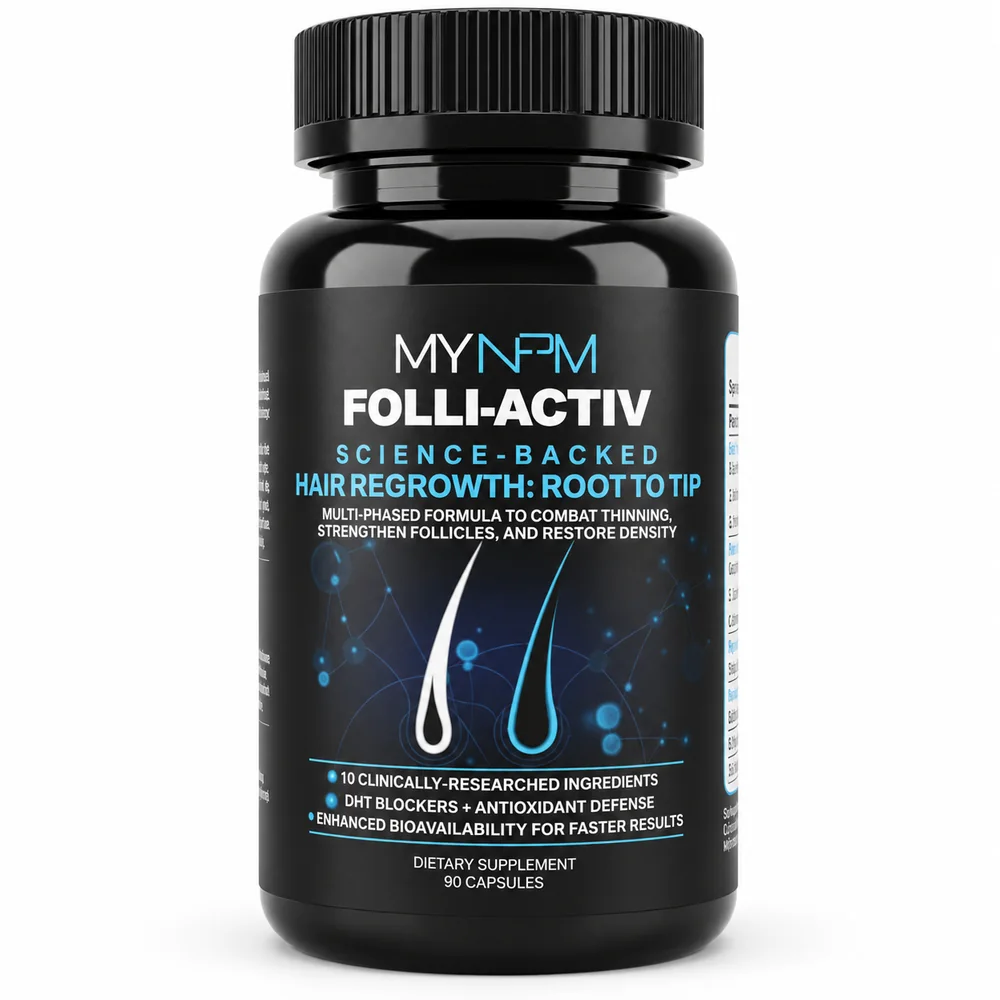
Folli-Activ
A food-supplement capsule that brings together ten ingredients often discussed in hair and scalp research: saw palmetto, pumpkin seed oil, nettle root, EGCG, curcumin, reishi, biotin, royal jelly, aloe vera and piperine. 90 capsules per bottle.
- 90 capsules
- 10 ingredients
- Adults
Price RM169 · 3 for RM507, free shipping
Buy now · Pay by card (Stripe)Buy 3 bundle · RM507 · free Malaysia shippingOrder on WhatsAppBook a scalp check
Shipping in Malaysia: RM20 West, RM30 East, added at checkout. Bundles of 3 ship free. Malaysia delivery only, no overseas orders.
001
Overview
Folli-Activ is taken by mouth, as part of a daily routine alongside good sleep, a balanced diet and proper scalp care. It is a food supplement, not a medicine, and it is not meant to replace a varied diet.
Take it exactly as printed on the bottle label. Hair grows slowly, in cycles that last months, so any routine needs time and consistency before you can judge it.
Piperine, from black pepper, is included because studies show it can change how the body absorbs curcumin. It can also affect how some medicines are handled by the body, which is why the safety notes below matter.
002
Key ingredients
Pumpkin seed oil
Nettle root extract

EGCG (green tea)

Curcumin
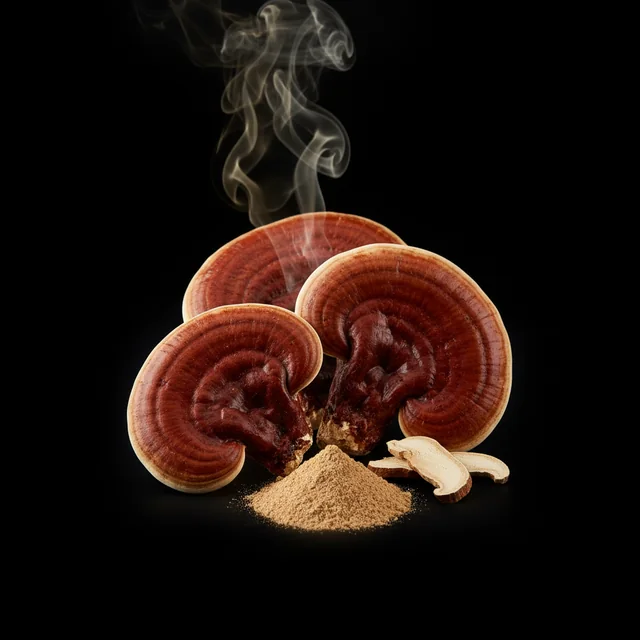
Ganoderma (reishi)
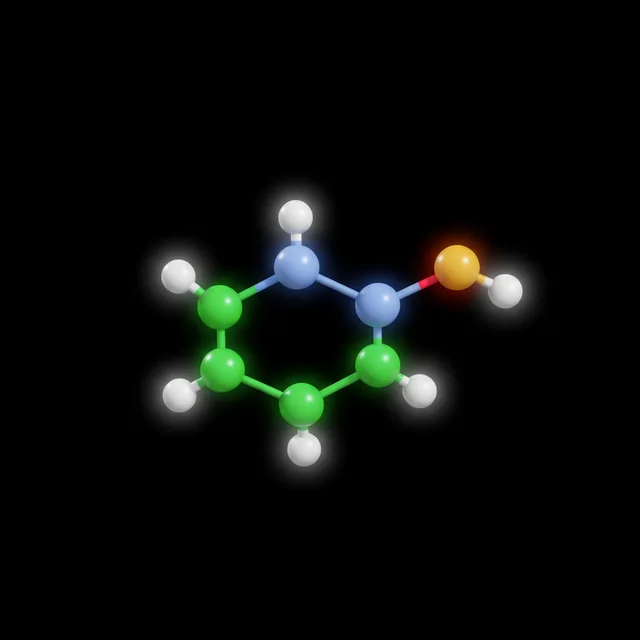
Biotin
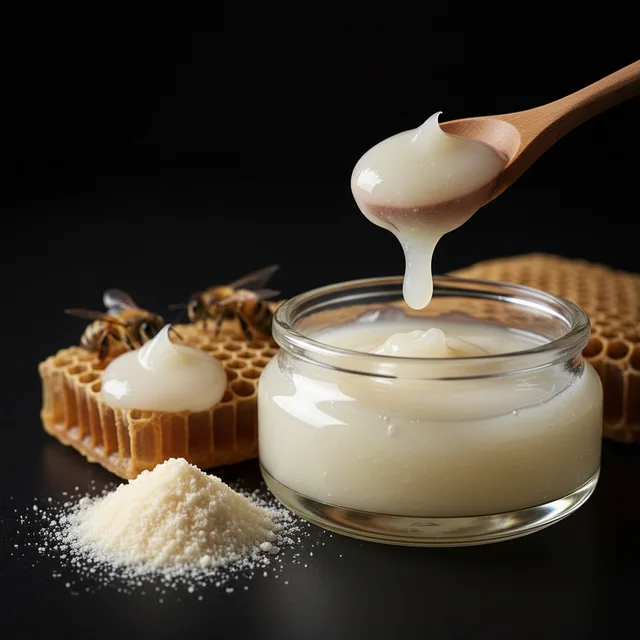
Royal jelly
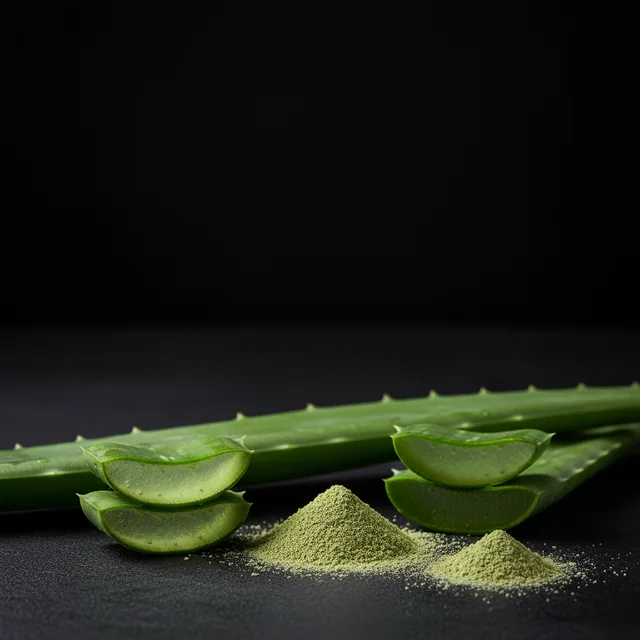
Aloe vera extract
Piperine (black pepper)
003
Safety notes
- Not for children, or during pregnancy or breastfeeding.
- If you take any medicine (especially blood thinners or liver-processed drugs) or have a health condition, ask your doctor or pharmacist first.
- Contains royal jelly: do not take it if you have a bee-product allergy or asthma triggered by bee products.
- Biotin can affect some blood test results, including thyroid tests. Tell your doctor you take it before a blood test.
- Stop and seek medical advice if you notice any unusual symptoms.
004
From the original site
Inside every capsule.
Curcumin (Turmeric Extract)
The Golden Anti-Inflammatory. Neutralizes inflammatory signals at the scalp.
Ganoderma Lucidum (Reishi)
The Stress Adaptogen. Directly combats a major trigger for hair fall by managing stress.
Royal Jelly
The Queen Bee's Superfuel. Provides literal building blocks for thick, resilient hair.
Aloe Vera Extract
The Scalp Calibrator. Soothes irritation and balances scalp pH for strong roots.
Source: www.folli-activ.com
Aloe Vera Gel Cut Edema and Prostaglandin E2 in the Lab
Aloe vera extract is in the Folli-Activ 10-in-1 oral formula. The laboratory papers behind that ingredient used gel from the leaf, not a Folli-Activ capsule, and the endpoints were inflammation assays plus a body of topical skin trials. Scalp skin is skin. A hair-count trial of oral aloe was not part of the record opened for this page, so this page does not invent one.
Source: www.folli-activ.com
Rat paw edema, neutrophils, and prostaglandin E2
Vázquez, Avila, Segura, and Escalante tested aqueous, chloroform, and ethanol extracts of Aloe vera gel. The inflammatory challenges were carrageenan-induced edema in the rat paw and carrageenan-stimulated neutrophil migration into the peritoneal cavity. Aqueous and chloroform extracts decreased the paw edema and decreased the number of neutrophils entering the cavity. The ethanol extract decreased the neutrophil count and did not decrease the edema. Indomethacin and dexamethasone, used as reference anti-inflammatory drugs, decreased both edema and neutrophil migration.
The aqueous extract also inhibited cyclooxygenase activity, measured as prostaglandin E2 production from radiolabelled arachidonic acid. Chemical tests on the aqueous extract were positive for anthraglycosides, reducing sugars, and cardiotonic glycosides. The ethanol extract tested positive for saponins, carbohydrates, naphthoquinones, sterols, triterpenoids, and anthraquinones. The chloroform extract tested positive for delta-5 sterols and anthraquinones. The pharmacological conclusion in the paper is that gel extracts have anti-inflammatory activity and that the aqueous extract inhibits the arachidonic acid pathway through cyclooxygenase.
Source: www.folli-activ.com
Sources
- Vázquez B, Avila G, Segura D, Escalante B. 1996. Antiinflammatory activity of extracts from Aloe vera gel. Journal of Ethnopharmacology. https://eutils.ncbi.nlm.nih.gov/entrez/eutils/efetch.fcgi?db=pubmed&id=9121170&retmode=text&rettype=abstract
- Bautista-Pérez R, Segura-Cobos D, Vázquez-Cruz B. 2004. In vitro antibradykinin activity of Aloe barbadensis gel. Journal of Ethnopharmacology. https://eutils.ncbi.nlm.nih.gov/entrez/eutils/efetch.fcgi?db=pubmed&id=15182910&retmode=text&rettype=abstract
- Philpott MP, Sanders DA, Bowen J, Kealey T. 1996. Effects of interleukins, colony-stimulating factor and tumour necrosis factor on human hair follicle growth in vitro. British Journal of Dermatology. https://eutils.ncbi.nlm.nih.gov/entrez/eutils/efetch.fcgi?db=pubmed&id=8977716&retmode=text&rettype=abstract
Source: www.folli-activ.com
Five enzymes, and an intake figure
Zempleni, Hassan, and Wijeratne review biotin and biotinidase deficiency. Biotin is the essential coenzyme for five mammalian carboxylases: acetyl-CoA carboxylase alpha, acetyl-CoA carboxylase beta, propionyl-CoA carboxylase, 3-methylcrotonyl-CoA carboxylase, and pyruvate carboxylase. Biotin is bound to a specific lysine in each enzyme. The reactions fix bicarbonate. The pathways are fatty acid synthesis, gluconeogenesis, and replenishment of the tricarboxylic acid cycle, along with branched-chain amino acid metabolism. Carboxylase activity falls substantially when biotin is lacking. The adequate intake they cite for adults is 30 micrograms a day.
Biotin is also attached to histones. Zempleni notes that biotinylated histones are enriched in repeat regions of the human genome and participate in transcriptional repression and genome stability. The carboxylase role is the one tied, in the same paper, to the deficiency syndrome that includes hair loss. The histone role is a second biochemical fact, and this page does not stretch it into a hair-count claim.
Source: www.folli-activ.com
Sources
- Zempleni J, Hassan YI, Wijeratne SS. 2008. Biotin and biotinidase deficiency. Expert Review of Endocrinology and Metabolism. https://eutils.ncbi.nlm.nih.gov/entrez/eutils/efetch.fcgi?db=pubmed&id=19727438&retmode=text&rettype=abstract
- Patel DP, Swink SM, Castelo-Soccio L. 2017. A Review of the Use of Biotin for Hair Loss. Skin Appendage Disorders. https://eutils.ncbi.nlm.nih.gov/entrez/eutils/efetch.fcgi?db=pubmed&id=28879195&retmode=text&rettype=abstract
Source: www.folli-activ.com
Cytokines that stop a human follicle
A formula that takes inflammation seriously is responding to that culture result. The culture result names IL-1 and TNF-alpha. It does not, by itself, name curcumin.
Source: www.folli-activ.com
Sources
- Aggarwal BB, Sundaram C, Malani N, Ichikawa H. 2007. Curcumin: the Indian solid gold. Advances in Experimental Medicine and Biology. https://eutils.ncbi.nlm.nih.gov/entrez/eutils/efetch.fcgi?db=pubmed&id=17569205&retmode=text&rettype=abstract
- Anand P, Kunnumakkara AB, Newman RA, Aggarwal BB. 2007. Bioavailability of curcumin: problems and promises. Molecular Pharmaceutics. https://eutils.ncbi.nlm.nih.gov/entrez/eutils/efetch.fcgi?db=pubmed&id=17999464&retmode=text&rettype=abstract
- Shoba G, Joy D, Joseph T, Majeed M, et al. 1998. Influence of piperine on the pharmacokinetics of curcumin in animals and human volunteers. Planta Medica. https://eutils.ncbi.nlm.nih.gov/entrez/eutils/efetch.fcgi?db=pubmed&id=9619120&retmode=text&rettype=abstract
Source: www.folli-activ.com
Organ culture: thirty follicles, ten days
Scalp tissue came from the occipital region of five healthy men aged 20 to 31. Anagen follicles were dissected and cut to about 2.5 millimetres from the base of the dermal papilla. Thirty anagen follicles from three volunteers, ten follicles per subject, were cultured for 10 days in Williams E medium. EGCG was added at 0.1, 1, or 5 micromolar, and medium plus EGCG were changed every other day.
Source: www.folli-activ.com
Dermal papilla cells: proliferation, Erk, Akt, Bcl-2
Dermal papilla cells were cultured and proliferation was read with an MTT assay. Across 0.01 to 0.5 micromolar, EGCG enhanced proliferation of human dermal papilla cells. Phosphorylated Erk rose after 1 hour of EGCG in a dose-dependent manner. Akt phosphorylation increased. Bcl-2 expression rose and Bax expression fell, which lifts the Bcl-2/Bax ratio in the anti-apoptotic direction. The authors describe these as dual proliferative and anti-apoptotic effects on dermal papilla cells.
Source: www.folli-activ.com
Sources
- Kwon OS, Han JH, Yoo HG, Chung JH, et al. 2007. Human hair growth enhancement in vitro by green tea epigallocatechin-3-gallate (EGCG). Phytomedicine. https://eutils.ncbi.nlm.nih.gov/entrez/eutils/efetch.fcgi?db=pubmed&id=17092697&retmode=text&rettype=abstract
- Hiipakka RA, Zhang HZ, Dai W, Dai Q, et al. 2002. Structure-activity relationships for inhibition of human 5alpha-reductases by polyphenols. Biochemical Pharmacology. https://eutils.ncbi.nlm.nih.gov/entrez/eutils/efetch.fcgi?db=pubmed&id=11931850&retmode=text&rettype=abstract
- Esfandiari A, Kelly AP. 2005. The effects of tea polyphenolic compounds on hair loss among rodents. Journal of the National Medical Association. https://eutils.ncbi.nlm.nih.gov/entrez/eutils/efetch.fcgi?db=pubmed&id=16173333&retmode=text&rettype=abstract
Source: www.folli-activ.com
EGCG is epigallocatechin-3-gallate, the major catechin in green tea.…
EGCG is epigallocatechin-3-gallate, the major catechin in green tea. Folli-Activ lists EGCG from green tea as one of ten oral ingredients. Two different kinds of experiment sit behind that line, and they do not say the same thing. One is an enzyme assay. One is a mouse drinking-water study of a mixed tea polyphenol fraction. A third, on human follicles in culture, has its own essay. None of them used a Folli-Activ capsule.
Source: www.folli-activ.com
Keratin is the shaft
Biotin belongs with that job because of enzyme chemistry, not because a Folli-Activ trial exists. Zempleni, Hassan, and Wijeratne describe biotin as the coenzyme for five carboxylases: acetyl-CoA carboxylase alpha, acetyl-CoA carboxylase beta, propionyl-CoA carboxylase, 3-methylcrotonyl-CoA carboxylase, and pyruvate carboxylase. Those enzymes fix bicarbonate in pathways of fatty acid synthesis, amino acid metabolism, and glucose metabolism. The same review lists hair loss among the symptoms of biotin deficiency. Royal jelly sits beside biotin as a complex food secretion whose fatty acid 10-hydroxy-2-decenoic acid has a separate skin-barrier literature.
Source: www.folli-activ.com
Sources
- Cho YH, Lee SY, Jeong DW, Choi EJ, et al. 2014. Effect of pumpkin seed oil on hair growth in men with androgenetic alopecia: a randomized, double-blind, placebo-controlled trial. Evidence-Based Complementary and Alternative Medicine. https://eutils.ncbi.nlm.nih.gov/entrez/eutils/efetch.fcgi?db=pubmed&id=24864154&retmode=text&rettype=abstract
- Schweizer J, Langbein L, Rogers MA, Winter H. 2007. Hair follicle-specific keratins and their diseases. Experimental Cell Research. https://eutils.ncbi.nlm.nih.gov/entrez/eutils/efetch.fcgi?db=pubmed&id=17428470&retmode=text&rettype=abstract
Source: www.folli-activ.com
The catalogue of hair keratins
Schweizer, Langbein, Rogers, and Winter count 54 human keratins: 28 type I and 26 type II. Of the type I keratins, 17 are epithelial and 11 are hair keratins. Of the type II keratins, 20 are epithelial and 6 are hair keratins. Nine of the epithelial keratins are expressed specifically in the hair follicle, so the follicle-specific set reaches 26, close to the number used by the rest of the epithelia combined.
Zahn's progress report on hair keratin research records the same Langbein catalogue from the laboratory side: nine type I hair keratins and six type II, with a two-dimensional map, and with cuticle cells leaving the living compartment already carrying four different hair keratins. The cortex and the cuticle do not use one generic keratin. They use a sequence of named ones. Kon and colleagues, as Zahn summarizes, also found a drop in intact microfibril keratin at the tip of permed hair, which is a chemical insult to an already built shaft. The catalogue and the perming observation both say the same structural thing: hair is keratin, and keratin can be lost or mutated.
Source: www.folli-activ.com
Two layers in one capsule
Philpott's culture work adds a third connection that is easy to miss. Inhibitory doses of interleukin-1 and tumour necrosis factor-alpha produced abnormal keratinization of the follicle bulb and inner root sheath. Inflammation can distort the keratin program of a living follicle. That is why the formula's anti-inflammatory ingredients and its biotin line are discussed in neighbouring essays rather than as substitutes for each other.
Source: www.folli-activ.com
Prager's pilot mixed liposterolic saw palmetto extract with…
Prager's pilot mixed liposterolic saw palmetto extract with beta-sitosterol and rated 6 of 10 men on the active arm improved. Beta-sitosterol is not a Folli-Activ ingredient. The pilot stays out of any sentence that claims pure saw palmetto, and it stays out of any sentence about nettle.
Source: www.folli-activ.com
Sources
- Iehlé C, Délos S, Guirou O, Tate R, et al. 1995. Human prostatic steroid 5 alpha-reductase isoforms--a comparative study of selective inhibitors. The Journal of Steroid Biochemistry and Molecular Biology. https://eutils.ncbi.nlm.nih.gov/entrez/eutils/efetch.fcgi?db=pubmed&id=7577710&retmode=text&rettype=abstract
- Bayne CW, Donnelly F, Ross M, Habib FK. 1999. Serenoa repens (Permixon): a 5alpha-reductase types I and II inhibitor-new evidence in a coculture model of BPH. The Prostate. https://eutils.ncbi.nlm.nih.gov/entrez/eutils/efetch.fcgi?db=pubmed&id=10420151&retmode=text&rettype=abstract
- Hryb DJ, Khan MS, Romas NA, Rosner W. 1995. The effect of extracts of the roots of the stinging nettle (Urtica dioica) on the interaction of SHBG with its receptor on human prostatic membranes. Planta Medica. https://eutils.ncbi.nlm.nih.gov/entrez/eutils/efetch.fcgi?db=pubmed&id=7700987&retmode=text&rettype=abstract
- Schöttner M, Gansser D, Spiteller G. 1997. Lignans from the roots of Urtica dioica and their metabolites bind to human sex hormone binding globulin (SHBG). Planta Medica. https://eutils.ncbi.nlm.nih.gov/entrez/eutils/efetch.fcgi?db=pubmed&id=9434605&retmode=text&rettype=abstract
- Safarinejad MR. 2005. Urtica dioica for treatment of benign prostatic hyperplasia: a prospective, randomized, double-blind, placebo-controlled, crossover study. Journal of Herbal Pharmacotherapy. https://eutils.ncbi.nlm.nih.gov/entrez/eutils/efetch.fcgi?db=pubmed&id=16635963&retmode=text&rettype=abstract
- Hong H, Kim CS, Maeng S. 2009. Effects of pumpkin seed oil and saw palmetto oil in Korean men with symptomatic benign prostatic hyperplasia. Nutrition Research and Practice. https://pmc.ncbi.nlm.nih.gov/articles/PMC2809240/
Source: www.folli-activ.com
Nettle Root, SHBG, and the Androgen Signal
Nettle root is the root of Urtica dioica, the stinging nettle. Folli-Activ lists nettle root extract among its ten oral ingredients. The papers that justify that line are androgen-binding experiments and a large benign prostatic hyperplasia trial. They are not scalp-hair trials, and they did not use a Folli-Activ capsule.
Source: www.folli-activ.com
How this belongs in an oral hair formula
The concentrations in the membrane assay, 0.6 to 10 milligrams per millilitre, are assay concentrations. They are not a labelled dose of the Folli-Activ capsule. The Safarinejad preparation was the extract used in that trial, at the schedule that trial used. Shoppers get a clean reading by keeping the endpoint attached to the number: flow, residual urine, symptom score, prostate volume.
Source: www.folli-activ.com
Sources
- Nahata A, Dixit VK. 2012. Ameliorative effects of stinging nettle (Urtica dioica) on testosterone-induced prostatic hyperplasia in rats. Andrologia. https://eutils.ncbi.nlm.nih.gov/entrez/eutils/efetch.fcgi?db=pubmed&id=21806658&retmode=text&rettype=abstract
Source: www.folli-activ.com
Studies that dosed by mouth
Chiu gave an oral enriched Ganoderma lucidum capsule, 225 milligrams a day, for six months in a crossover of 42 healthy adults. TEAC, thiols, glutathione, TBARS, 8-hydroxy-deoxyguanosine, and liver enzymes moved, with P less than 0.05. The route was a capsule after a meal. The endpoint was blood and ultrasound, not a hair count.
Source: www.folli-activ.com
Sources
- Chiu HF, Fu HY, Lu YY, Han YC, et al. 2017. Triterpenoids and polysaccharide peptides-enriched Ganoderma lucidum: a randomized, double-blind placebo-controlled crossover study of its antioxidation and hepatoprotective efficacy in healthy volunteers. Pharmaceutical Biology. https://eutils.ncbi.nlm.nih.gov/entrez/eutils/efetch.fcgi?db=pubmed&id=28183232&retmode=text&rettype=abstract
- Duplan H, Questel E, Hernandez-Pigeon H, Galliano MF, et al. 2011. Effects of Hydroxydecine (10-hydroxy-2-decenoic acid) on skin barrier structure and function in vitro and clinical efficacy in the treatment of UV-induced xerosis. European Journal of Dermatology. https://eutils.ncbi.nlm.nih.gov/entrez/eutils/efetch.fcgi?db=pubmed&id=21940237&retmode=text&rettype=abstract
Source: www.folli-activ.com
Piperine is the pungent alkaloid of black pepper, Piper nigrum.…
Piperine is the pungent alkaloid of black pepper, Piper nigrum. Folli-Activ includes it next to curcumin from turmeric. The reason is a pharmacokinetic fact, measured in animals and in healthy volunteers, not a slogan about pepper in cooking. The study product was curcumin with or without piperine at stated doses. It was not a Folli-Activ capsule.
Source: www.folli-activ.com
Hair counts, photographs, and what did not change
One man in each group reported whole-body itching. One man in the intervention group reported mild abdominal discomfort. Adverse effects were not different between the groups. That sentence is about this trial. It is not a general promise about every pumpkin seed oil product.
Source: www.folli-activ.com
Sources
- Gossell-Williams M, Davis A, O'Connor N. 2006. Inhibition of testosterone-induced hyperplasia of the prostate of Sprague-Dawley rats by pumpkin seed oil. Journal of Medicinal Food. https://eutils.ncbi.nlm.nih.gov/entrez/eutils/efetch.fcgi?db=pubmed&id=16822218&retmode=text&rettype=abstract
Source: www.folli-activ.com
The six-month crossover
Chiu, Fu, Lu, Han, and colleagues enrolled 42 healthy adults, 22 men and 20 women. They took a triterpenoid- and polysaccharide-peptide-enriched Ganoderma lucidum capsule of 225 milligrams after lunch or dinner, or a placebo, for six months, then crossed over after a one-month washout. Anthropometry, blood biochemistry, and abdominal ultrasound were recorded.
Source: www.folli-activ.com
Sources
- Chu QP, Wang LE, Cui XY, Fu HZ, et al. 2007. Extract of Ganoderma lucidum potentiates pentobarbital-induced sleep via a GABAergic mechanism. Pharmacology Biochemistry and Behavior. https://eutils.ncbi.nlm.nih.gov/entrez/eutils/efetch.fcgi?db=pubmed&id=17383716&retmode=text&rettype=abstract
- Wachtel-Galor S, Tomlinson B, Benzie IF. 2004. Ganoderma lucidum ('Lingzhi'), a Chinese medicinal mushroom: biomarker responses in a controlled human supplementation study. British Journal of Nutrition. https://eutils.ncbi.nlm.nih.gov/entrez/eutils/efetch.fcgi?db=pubmed&id=14756912&retmode=text&rettype=abstract
Source: www.folli-activ.com
Royal Jelly, 10-HDA, and the Skin Barrier
Royal jelly is the secretion of the hypopharyngeal and mandibular glands of nurse honeybees. Worker larvae receive it for the first three days of life. The queen receives it for life. Folli-Activ includes royal jelly as one oral ingredient in a 10-in-1 formula. The papers opened for this essay document what the secretion contains and what a synthetic copy of its signature fatty acid did to skin-barrier proteins and to UV-dried skin. They are not a hair-count trial of oral royal jelly, and they are not a Folli-Activ study.
Source: www.folli-activ.com
What is actually in the secretion
The B-complex line in the composition review is a vitamin class, not a measured biotin dose. Biotin has its own essay on this site because biotin deficiency includes hair loss. Royal jelly is not cited here as a biotin capsule.
Source: www.folli-activ.com
Sources
- Sugiyama T, Takahashi K, Mori H. 2012. Royal jelly acid, 10-hydroxy-trans-2-decenoic acid, as a modulator of the innate immune responses. Endocrine, Metabolic and Immune Disorders Drug Targets. https://eutils.ncbi.nlm.nih.gov/entrez/eutils/efetch.fcgi?db=pubmed&id=23061418&retmode=text&rettype=abstract
Source: www.folli-activ.com
Twelve months, four groups, urinary scores
The within-group symptom changes are the positive urinary record for each oil. The between-group statistics do not crown the combination. Folli-Activ includes both oils because each oil has this urinary dataset and because each oil also has a hair paper of its own, not because Hong proved that taking them together beats taking either one.
Source: www.folli-activ.com
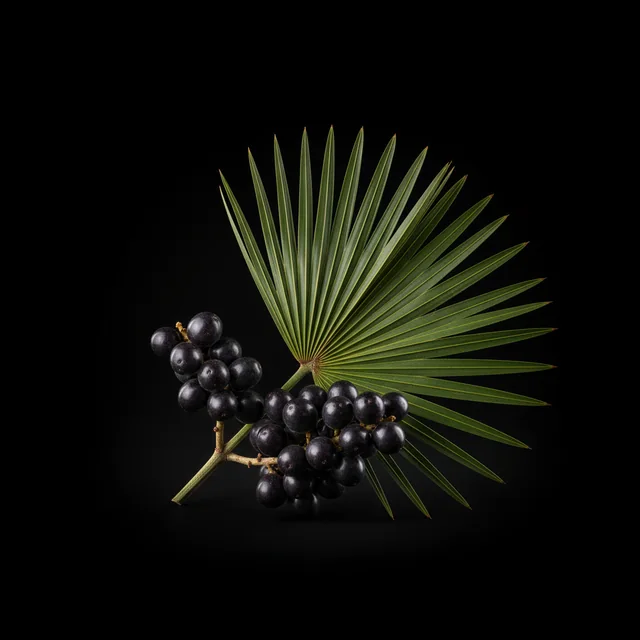
Saw palmetto is the berry of Serenoa repens, and the ingredient used in…
Saw palmetto is the berry of Serenoa repens, and the ingredient used in research is a liposterolic extract of that berry. Folli-Activ includes saw palmetto in its oral 10-in-1 formula. The papers below tested their own extracts, including the branded extract Permixon and a liposterolic extract abbreviated LSESr. They did not test a Folli-Activ capsule.
Source: www.folli-activ.com
What inflammatory signals do to a follicle
The Philpott experiment did not test aloe. It defines the problem. The aloe papers define what aloe gel did in inflammation assays and in topical skin trials.
Source: www.folli-activ.com
Edema, neutrophils, and prostaglandin E2
Vázquez, Avila, Segura, and Escalante applied aqueous, chloroform, and ethanol extracts of Aloe vera gel to two carrageenan models in rats: paw edema, and neutrophil migration into the peritoneal cavity. Aqueous and chloroform extracts reduced both edema and neutrophil entry. The ethanol extract reduced neutrophils and did not reduce edema. The aqueous extract inhibited prostaglandin E2 production from radiolabelled arachidonic acid, which is a cyclooxygenase readout. Reference drugs indomethacin and dexamethasone reduced edema and neutrophil migration in the same models. The gel, prepared as those extracts, has a measured anti-inflammatory effect on swelling, on neutrophil traffic, and on PGE2.
Source: www.folli-activ.com
Twenty-three controlled trials on skin
Royal jelly's fatty acid has a parallel skin-barrier dataset, covered in its own essay: synthetic 10-HDA raised filaggrin and hydration in UV-dried skin. Aloe and royal jelly are both in Folli-Activ because both have skin papers. They are not duplicates. Aloe's papers are edema, PGE2, bradykinin, and wound and psoriasis trials. Royal jelly's paper on this site is barrier proteins and hydration from a signature fatty acid.
Source: www.folli-activ.com
Stress and hair are linked in mouse experiments by named signals, and…
Stress and hair are linked in mouse experiments by named signals, and reishi has a human antioxidant trial that measured different endpoints. Folli-Activ includes Ganoderma lucidum. This essay keeps the two literatures in the same article and does not pretend they are one experiment. No paper opened here gave reishi to a stressed mouse and counted hairs, and none gave Folli-Activ to exam students.
Source: www.folli-activ.com
What a human exam period did, and did not, show
Peters, Müller, Snaga, Fliege, and colleagues followed 33 female medical students, 18 in a major exam period and 15 as a comparison group, at three visits 12 weeks apart. At the exam visit, exam students reported higher stress than the comparison students. Inside the exam group, stress level, the TH1/TH2 cytokine balance of stimulated blood cells, and hair parameters changed from the pre-study visit to the exam visit. Those within-group changes were absent in the comparison group. At the exam visit itself, cytokine balance and hair parameters did not differ between exam students and comparison students. The human finding to keep is a within-person shift in the exam group across the study window, plus the absence of a between-group difference at the peak stress visit. The mouse mechanism is tighter than the human pilot. This page reports both.
Source: www.folli-activ.com
Sources
- Peters EM, Arck PC, Paus R. 2006. Hair growth inhibition by psychoemotional stress: a mouse model for neural mechanisms in hair growth control. Experimental Dermatology. https://eutils.ncbi.nlm.nih.gov/entrez/eutils/efetch.fcgi?db=pubmed&id=16364026&retmode=text&rettype=abstract
- Peters EMJ, Müller Y, Snaga W, Fliege H, et al. 2017. Hair and stress: A pilot study of hair and cytokine balance alteration in healthy young women under major exam stress. PLoS One. https://eutils.ncbi.nlm.nih.gov/entrez/eutils/efetch.fcgi?db=pubmed&id=28423056&retmode=text&rettype=abstract
Source: www.folli-activ.com
A slot in the formula is a design choice
Other absorption technologies exist. Anand lists liposomes, nanoparticles, phospholipid complexes, and synthetic analogues. Those are different products. Folli-Activ uses piperine, which is the adjuvant with the volunteer blood-level comparison above. Choosing piperine is a choice of that dataset rather than a choice of a nanoparticle platform.
The rest of the 10-in-1 list does other jobs. Saw palmetto and pumpkin seed oil carry androgen and hair-count papers. Nettle root carries SHBG binding and a urinary trial. EGCG carries follicle culture. Biotin carries carboxylase chemistry. Reishi carries a six-month antioxidant crossover. Aloe carries edema and PGE2 data. Royal jelly carries 10-HDA and a skin-barrier fatty acid. Piperine's job is narrower and, on the Shoba numbers, decisive for curcumin: without the partner, the 2 gram human dose stayed at the floor of the assay.
Source: www.folli-activ.com
005
Every ingredient, explained
Aloe vera extract
Aloe vera's inner-leaf gel contains over 200 compounds, including polysaccharides and antioxidants1.
How it works
Antioxidant and immunomodulatory activities have been described1. Topically, aloe is among the therapies used for seborrhoeic dermatitis2.
What the evidence shows
Reviews call for controlled trials to establish aloe's real efficacy31. There are no clinical studies of oral aloe for hair growth.
Safety and precautions
Extract type matters: a non-decolourised whole-leaf aloe extract caused intestinal tumours in rats in a two-year US government study4. Decolourised inner-leaf gel is a different material.
A case of possible liver injury has been linked to oral aloe capsules5.
Bottom line
Aloe is a trusted topical soother, but there is no evidence that oral aloe helps hair, and its safety depends on the extract type.
Biotin (vitamin B7)
Biotin is a B vitamin involved in fat, carbohydrate and protein metabolism. Deficiency, which is rare, can cause hair loss.
How it works
Biotin is a cofactor for carboxylase enzymes; correcting a deficiency restores normal function6.
What the evidence shows
A systematic review found that all reported cases of hair improvement with biotin involved an underlying deficiency or disorder, and evidence for healthy individuals is lacking6.
A 2024 review found the highest-quality double-blind, placebo-controlled study showed no difference between biotin and placebo for hair growth7.
Safety and precautions
Biotin can interfere with common laboratory tests (including thyroid and other hormone assays), causing misleading results89. Always tell your doctor and laboratory if you take biotin.
Bottom line
Biotin is essential, but supplementing it only helps hair if you're deficient. Its main practical issue is lab-test interference.
Curcumin (turmeric extract)
Curcumin is the golden polyphenol in turmeric, central to Malaysian and Indian cooking and Ayurvedic tradition.
How it works
Curcumin has antioxidant and anti-inflammatory activity10. Scalp inflammation and oxidative stress are implicated in poor scalp and hair health1112. On its own, curcumin is poorly absorbed and rapidly metabolised13.
What the evidence shows
A systematic review of 12 clinical studies found Curcuma species and curcumin had antioxidant and anti-inflammatory benefits on skin, including improved skin moisture. One study reported reduced axillary (underarm) hair growth14.
No randomised trial has shown oral curcumin promotes scalp hair growth.
Safety and precautions
A small number of liver-injury cases have been linked to curcumin supplements, particularly combined with piperine; researchers have called for more study15. Ask a doctor if you take blood thinners or other regular medicines.
Bottom line
A respected anti-inflammatory antioxidant that fits a scalp-health rationale, but direct hair evidence is lacking.
EGCG (green tea extract)
EGCG is the main catechin (polyphenol) in green tea.
How it works
What the evidence shows
EGCG promoted hair growth in cultured human hair follicles and proliferation of dermal papilla cells16.
No randomised human trial has tested EGCG for hair loss.
Safety and precautions
Concentrated green tea extracts have been linked to liver injury in case reports at EGCG intakes of about 140 to 1,000 mg/day, especially when taken on an empty stomach. The US Pharmacopeia advises taking with food and avoiding use with liver problems17.
Bottom line
A well-characterised antioxidant with encouraging follicle biology. Human hair evidence is still to come, and dose matters for safety.
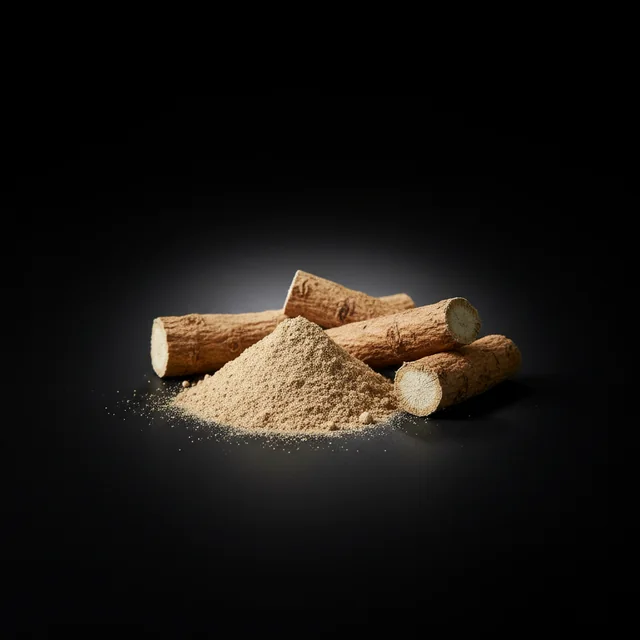
Nettle root extract
Stinging nettle (Urtica dioica) is a common herb whose leaf and root extracts are used in herbal products.
How it works
Note that the skin-cell study used leaf extract, while Folli-Activ lists root extract.
What the evidence shows
Evidence is limited to laboratory studies. No randomised trial has tested nettle for hair loss.
Safety and precautions
As with any supplement, ask a doctor first if you take regular medicines, for example for blood pressure, diabetes or the prostate.
Bottom line
Piperine (black pepper extract)
Piperine is the pungent alkaloid in black pepper.
How it works
Piperine inhibits glucuronidation and the drug-handling systems CYP3A4 and P-glycoprotein, slowing the breakdown and clearance of other compounds1819.
What the evidence shows
Curcumin-piperine combinations have shown benefits on antioxidant and inflammatory markers in several conditions20.
Safety and precautions
Because piperine inhibits CYP3A4 and P-glycoprotein, it can raise blood levels of some oral medicines19. Anyone on regular medication should check with a doctor or pharmacist. Some liver-injury reports involve curcumin-piperine products15.
Bottom line
Piperine is a helper ingredient that boosts absorption. That is useful for curcumin, but it can also affect medicines.
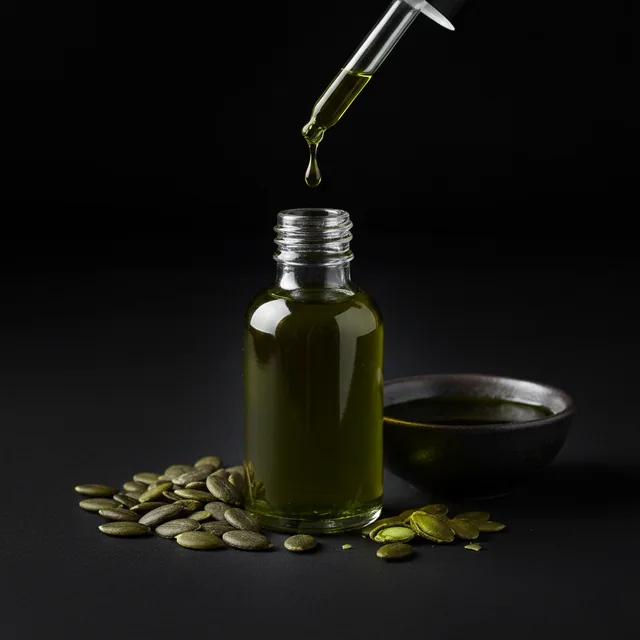
Pumpkin seed oil
Pumpkin seed oil is pressed from the seeds of Cucurbita pepo and consists mainly of saturated and unsaturated fatty acids21; its phytosterols are thought to contribute to its activity22.
How it works
What the evidence shows
A 2023 JAMA Dermatology systematic review listed pumpkin seed oil among the nutritional interventions with the highest-quality evidence of potential benefit23, and a 2025 network meta-analysis found it improved hair density versus placebo24.
Applied topically, pumpkin seed oil improved trichoscopic signs in women with female pattern hair loss and partly reversed testosterone-induced hair suppression in mice21.
Safety and precautions
Adverse effects did not differ from placebo in the 24-week trial22.
Bottom line
One of the more convincing natural hair ingredients, with a positive placebo-controlled trial behind it.
Reishi mushroom
Reishi (lingzhi) is a revered medicinal mushroom in Chinese tradition.
How it works
In human hair follicle cells, reishi extract countered senescence and oxidative stress triggered by the stress hormone CRH25.
What the evidence shows
Laboratory and animal anti-androgen evidence26 and a hair-follicle cell study25.
In a randomised trial in 88 older men (urinary symptoms, not hair), reishi extract was well tolerated and testosterone levels were unchanged27.
No clinical hair trials yet.
Safety and precautions
Generally well tolerated in trials27. Ask a doctor if you take blood thinners or have a bleeding disorder.
Bottom line
An intriguing anti-androgen and stress-defence botanical, still at the laboratory stage for hair.
Royal jelly
Royal jelly is a protein-rich secretion produced by worker honeybees to feed the queen bee, used as a cosmetic and food ingredient.
How it works
Its effects on hair have been little studied.
What the evidence shows
In a 2025 study, royal jelly applied to mouse skin induced thinner hair shafts and smaller hair bulbs and suppressed hair follicle stem-cell proliferation28. That was topical application in mice, not oral use in people, but it gives no support for a hair-growth claim.
Safety and precautions
Royal jelly can trigger allergic reactions, from hives and asthma to anaphylaxis. In a Hong Kong survey, people with existing allergies (atopy) were at much higher risk of sensitisation2930. Avoid it if you have asthma, eczema or bee-product allergies unless your doctor agrees.
Bottom line
There is no evidence that royal jelly helps hair growth, and early animal research points the other way. We recommend not making any hair claims for it.
Saw palmetto
Saw palmetto is a fan palm native to the south-eastern United States. Its berry extract is the form studied for hair.
How it works
What the evidence shows
A 2020 systematic review found five randomised trials and two cohort studies reporting positive effects of oral and topical saw palmetto products in androgenetic alopecia and telogen effluvium, but noted robust, high-quality data are lacking31.
A 2025 network meta-analysis found saw palmetto extract scored higher than placebo on blinded physician assessment24.
Safety and precautions
Well tolerated in alopecia studies without serious adverse events31. Because it may act on androgen pathways, it is not appropriate in pregnancy; anyone on hormonal therapy should ask a doctor.
Bottom line
006
Product knowledge
The hair growth cycle
Each hair follicle is a miniature organ that regenerates itself throughout life, cycling through growth, regression and rest323334.
Anagen (growth) · About 2–5 years
Cells in the hair bulb divide rapidly and build the hair shaft. The length of anagen largely determines how long your hair can grow.
Catagen (transition) · About 3–6 weeks
Growth stops and the lower follicle regresses in a tightly controlled process of programmed cell death3532.
Telogen (rest) · About 3–5 months
The follicle rests while the old 'club' hair stays anchored.
Shedding and renewal · At the end of telogen
The old hair is released as a new anagen hair begins beneath it. Daily shedding of resting hairs is normal.
What causes hair loss?
Androgenetic alopecia (pattern hair loss)
The most common progressive hair loss in men and women. It is polygenic, with major risk loci on the X chromosome (androgen receptor) and chromosome 2036. In Asian men, smoking has been significantly associated with more severe pattern hair loss37.
Telogen effluvium (excess shedding)
A trigger such as illness, fever, surgery, childbirth, crash dieting, certain medicines or major stress pushes many follicles into telogen at once. Increased shedding typically follows two to four months later3538. Acute telogen effluvium usually resolves; shedding lasting more than six months is called chronic35.
Scalp inflammation and dandruff
Dandruff affects up to half of adults worldwide and involves a weakened scalp barrier, water loss and subclinical inflammation, influenced by sebum and Malassezia yeasts394041. Mild inflammation around follicles is also described in androgenetic alopecia12. Over 20 epidemiological studies link poor scalp condition to poorer hair, and in a treatment study hair quality improved when the scalp was normalised4243.
Oxidative stress
Reactive oxygen species from metabolism, UV, smoking, pollution and scalp inflammation can damage the follicle and the emerging fibre44. Researchers describe oxidative stress as the 'currency' by which an unhealthy scalp harms hair growth and retention1145.
Nutrition
Iron, zinc, vitamin D and other micronutrients are involved in the follicle cycle, and correcting a genuine deficiency matters46. Supplementing without a documented deficiency is less certain, and some supplements in excess can worsen hair loss47.
Sun and environment
UV radiation degrades hair proteins and pigment, weakening the shaft4849. Hair shedding also follows seasonal rhythms; in a Swiss study of 823 women, the proportion of resting hairs peaked in summer50.
How we grade evidence
A · Strong Randomised controlled trials, meta-analyses or official drug labelling in humans.
B · Supportive Smaller, open-label or uncontrolled human studies, or systematic reviews of small trials.
C · Laboratory Cell, ex vivo follicle or animal studies. Important for understanding mechanisms, but not proof of results in people.
R · Background Narrative reviews, safety assessments and case reports.
007
Frequently asked questions
How long does it take to see a difference in hair loss?
Usually months. Hair grows in cycles in which the growth phase lasts years and the resting phase about 3–5 months35, so changes in density take time. With minoxidil, results may appear from about 2 months, and some people need at least 4.
Is shedding 100 hairs a day normal?
Daily shedding of resting hairs is normal. Clinicians use a standardised hair-wash test, where shedding of more than 100 hairs points towards telogen effluvium35. If you notice a sudden increase, or shedding lasting more than six months, see a doctor.
Does scalp health affect hair growth?
Which hair-loss ingredient has the strongest evidence?
Topical minoxidil.
008
Further reading
The Hair Growth Cycle Explained: Anagen, Catagen and Telogen
Finding hair on your pillow can be unsettling. But shedding is a normal part of how hair works. Each follicle on your scalp runs its own cycle of growth, rest and renewal. Understanding that cycle is the single most useful thing you can learn about hair, because it explains why hair falls, why it thins and why any genuine improvement takes months.
The follicle: a mini-organ that regenerates itself
A hair follicle is not a passive tube. It is a miniature organ that rebuilds itself again and again throughout life, cycling through phases of growth, regression and rest. Its behaviour is controlled by signalling families with names like Wnt, FGF, TGF-β and Sonic hedgehog, which tell the follicle when to grow and when to stop.
At the base of the follicle sits the dermal papilla, a cluster of specialised cells that acts as the control centre. Many hair-care studies, including research on minoxidil, placenta extracts and botanicals, measure effects on dermal papilla cells for this reason.
Phase 1: Anagen, the growth phase
Anagen is when the hair is actively made. Cells at the base of the follicle divide rapidly, building the hair shaft upwards.
The length of anagen largely decides how long your hair can grow. It is also the phase most affected by pattern hair loss, where anagen becomes progressively shorter.
Phase 2: Catagen, the transition
When anagen ends, the follicle enters catagen. Growth stops and the lower part of the follicle regresses through a tightly controlled process of programmed cell death. Catagen lasts about three to six weeks.
Phase 3: Telogen, the resting phase
In telogen, the follicle rests. The old hair, now called a club hair, stays anchored while the follicle prepares for a new cycle.
Shedding and renewal
At the end of telogen, the old club hair is released as a new anagen hair starts to grow beneath it. This is normal shedding. Because every follicle runs on its own schedule, you shed some hairs every day without your overall density changing.
When clinicians want to measure shedding objectively, they can use a standardised hair-wash test; shedding of more than 100 hairs in that test points towards telogen effluvium.
When the cycle goes wrong
Most hair loss is, at heart, a disruption of the hair cycle. The two most common patterns work in very different ways.
Androgenetic alopecia: a shrinking cycle
With each cycle, anagen gets shorter and telogen relatively longer, so the hair produced becomes shorter and finer. The condition is polygenic, involving many genes, with major contributions from the androgen receptor gene on the X chromosome and a region on chromosome 20. Low-grade inflammation around the follicle has also been described.
This is why pattern hair loss tends to look like gradual thinning rather than sudden shedding.
Telogen effluvium: a synchronised rest
In telogen effluvium, a trigger such as a high fever, illness, surgery, childbirth, crash dieting, certain medicines or major stress pushes a large number of follicles into telogen at the same time. Because telogen lasts months, the extra shedding appears later, typically two to four months after the trigger.
Acute telogen effluvium usually settles once the trigger is removed. Shedding that lasts more than six months is described as chronic. Telogen effluvium can also occur alongside androgenetic alopecia.
Seasons, scalp and lifestyle
The cycle is also influenced by things around it.
- Seasons. In a Swiss study of 823 healthy women, the proportion of resting hairs followed an annual rhythm and peaked in summer.
- Scalp health. Over 20 epidemiological studies link poor scalp condition, such as dandruff, to impaired hair, and in a treatment study the effects on hair were reversed when scalp condition was normalised.
- Oxidative stress. Reactive oxygen species from UV, smoking, pollution and scalp inflammation can affect the follicle and hair fibre.
- Nutrition. Iron, zinc, vitamin D and B vitamins all play roles in the follicle cycle, and genuine deficiency may be a modifiable risk factor for hair loss.
How treatments act on the cycle
The best-studied topical, minoxidil, works directly on the cycle: in animal studies it shortens telogen so resting follicles re-enter anagen earlier, and it may prolong anagen and enlarge follicles. This also explains the temporary shedding some people notice when they start: old resting hairs are released as new growth begins.
Other ingredients, from placenta extracts to green tea catechins, have been studied for effects on the dermal papilla and the timing of anagen, mostly in laboratory and animal research so far. These are interesting leads, but they are not equivalent to clinical proof in people.
Why patience is a scientific necessity
Put the numbers together: anagen lasts years, telogen lasts three to five months, and changes in the cycle take time to become visible. That is why reputable treatments describe results in months, not days. With minoxidil, for example, labelling states that results may appear from two months and some men need at least four months.
When to see a doctor
See a doctor if hair loss is sudden, patchy, painful, accompanied by scalp redness or scarring, or comes with other symptoms such as fatigue or weight change. These can signal conditions that need medical assessment, including nutritional deficiencies.
What are the three phases of hair growth?
Anagen (growth), catagen (transition) and telogen (rest). On the scalp, anagen lasts about two to five years, catagen three to six weeks and telogen three to five months.
Why does hair loss show up months after a stressful event?
Because of the length of telogen. A trigger pushes follicles into the resting phase, and the extra shedding appears about two to four months later.
Does pattern hair loss make hair fall out faster?
Not mainly. Pattern hair loss shortens the growth phase and miniaturises follicles, so hairs become progressively shorter and finer.
Is shedding more in summer normal?
It can be. A Swiss study of 823 women found the proportion of resting hairs peaked in summer.
Can you speed up the hair growth cycle?
Some treatments can influence it. Minoxidil shortens telogen in animal studies and may prolong anagen, but changes still take months to see.
How to Build a Scalp Care Routine That Actually Supports Your Hair
Great hair starts at the scalp. Yet most routines are designed around the hair shaft: shampoo, conditioner, styling. A scalp care routine flips the focus to the skin your hair grows from. The good news is that it does not need to be complicated. It needs to be consistent, matched to your goals, and based on what research actually supports.
Why the scalp matters
The scalp is skin with an unusually dense population of hair follicles. When it is irritated, flaky or inflamed, hair suffers. Over 20 epidemiological studies associate abnormal scalp conditions with impaired hair, and a treatment study showed those effects on hair were reversible once the scalp was normalised. Scientists describe oxidative stress as the mechanism linking an unhealthy scalp to poorer hair growth and retention.
So a scalp routine is not a luxury. It is the foundation.
Step 1: Know your goal
Before choosing products, decide what you are trying to achieve:
- Comfort and hydration: dryness, tightness, itch or sensitivity.
- Balance: oiliness, flaking or dandruff.
- Thinning or pattern hair loss: a gradual reduction in density, a widening part or a receding hairline.
- Excess shedding: sudden, diffuse hair fall, often two to four months after a trigger such as illness, childbirth or major stress.
Sudden patchy loss, scarring, pain or significant redness are reasons to see a doctor first.
Step 2: Cleanse often enough
Many people under-wash because they fear washing will make hair fall out. Research says otherwise. In a study of Asian populations, washing five to six times a week gave the best overall scalp and hair satisfaction, and daily washing outperformed weekly washing with no detrimental effects.
Hairs released during washing are mostly resting (telogen) hairs that had already reached the end of their cycle; clinicians even count them in a standardised hair-wash test.
If you have dandruff, use an anti-dandruff shampoo. Dandruff is linked to Malassezia yeasts and responds to treatments that inhibit them, and improving dandruff has been shown to reduce scalp oxidative stress and improve the quality of hair grown afterwards.
Step 3: Hydrate the scalp, not just the hair
Conditioners are formulated for the hair shaft. The scalp needs its own lightweight hydration. Hyaluronic acid is a well-tolerated, hygroscopic ingredient supported by multiple clinical studies for skin hydration, which makes it a natural choice for a scalp hydrator.
Apply hydrating products to clean, dry scalp, section by section, and massage in.
Step 4: Add a targeted treatment for thinning
A meta-analysis of randomised trials found it superior to placebo in both sexes.
To get the most from a minoxidil product:
- Apply to a dry scalp, directly on thinning areas, then wash your hands.
- Be consistent. Results may take two months, and some people need four months or longer.
- Expect possible early shedding. A temporary increase in shedding can occur in the first weeks and is not a reason to stop.
- Keep going. Continued use is needed to keep results.
- Know when to pause. Stop and see a doctor if you experience chest pain, rapid heartbeat, dizziness, swelling or persistent scalp irritation. Do not use it if you are pregnant or breastfeeding.
Step 5: Layer products in the right order
A simple layering principle: treatment first, on a dry scalp; hydration and styling after it has absorbed. If you use a minoxidil product and a scalp gel, apply them at different times of day if possible, or follow your product instructions carefully so each one can do its job.
Step 6: Massage
Massage helps distribute products and is a pleasant habit. In a small study of nine healthy men, four minutes of standardised scalp massage daily for 24 weeks was associated with increased hair thickness. These are small or self-reported studies, so think of massage as a supporting habit, not a treatment.
Step 7: Protect against the sun
UV radiation is the most frequent cause of structural damage to the hair shaft: UVB degrades hair proteins and UVA changes colour. Solar radiation can reduce hair strength, lustre and protein content. A hat or shade during the strongest midday sun protects both scalp and hair.
Step 8: Support from within
Hair is built from what you eat. Iron, zinc, vitamin D and B vitamins all play roles in the hair follicle cycle, and deficiency may be a modifiable risk factor for hair loss. If you suspect a deficiency, ask your doctor for a blood test before supplementing.
Be cautious with megadoses. Supplements without a documented deficiency have unproven benefit, and some may worsen hair loss. Biotin is a good example: reported benefits occur in people with an underlying deficiency, and high-dose biotin can distort common blood tests, including thyroid tests. Tell your doctor if you take it.
Lifestyle matters too. In a population study of Asian men, smoking was significantly associated with more severe pattern hair loss.
Track progress the smart way
Hair grows in cycles that span months to years, so daily mirror checks will only frustrate you. Take photos in the same light, from the same angles, once a month. Judge a hair-loss treatment after at least four months of consistent use.
Where Folli fits
Folli-Fix (foam, for men and women) and Folli-Fix X10 (liquid, for adult men) are our minoxidil treatments; use one or the other on a given area, not both. Folli-Care is our hyaluronic-acid scalp hydrator. Folli-Fuel is a professional in-centre treatment delivered by our experienced team. Ask us to help you choose a routine that suits your scalp and goals.
How often should I wash my scalp?
Most people can wash often. Among Asian participants, five to six washes a week gave the best results, and daily washing outperformed weekly washing.
Does washing hair every day cause hair loss?
No. Daily washing showed no detrimental effects in a study of Asian populations, and hairs shed while washing are mostly resting hairs at the end of their cycle.
Should I apply minoxidil to a wet or dry scalp?
Dry. Apply minoxidil to a dry scalp on the thinning areas and wash your hands afterwards, as product directions advise.
Can I use a scalp serum with minoxidil?
Usually, yes, with good timing. Apply the minoxidil treatment to a dry scalp first, let it absorb, and follow each product's directions.
Does scalp massage help hair growth?
It may help a little. Small studies linked daily massage to thicker hair, but they were small or self-reported.
How long before a scalp routine shows results?
Comfort improves quickly; hair takes months. For minoxidil, results may take two to four months or more.
Do I need supplements for healthy hair?
Only if you are deficient. Correcting a deficiency matters, but supplementing without one has unproven benefit.
009
Research references
- Kaur S et al. Aloe Barbadensis Miller (Aloe Vera). International journal for vitamin and nutrition research. Internationale Zeitschrift fur Vitamin- und Ernahrungsforschung. Journal international de vitaminologie et de nutrition 2024. Link
- Borda LJ et al. Treatment of seborrheic dermatitis: a comprehensive review. The Journal of dermatological treatment 2019. Link
- Surjushe A et al. Aloe vera: a short review. Indian journal of dermatology 2008. Link
- Boudreau MD et al. Clear evidence of carcinogenic activity by a whole-leaf extract of Aloe barbadensis miller (aloe vera) in F344/N rats. Toxicological sciences : an official journal of the Society of Toxicology 2013. Link
- Bottenberg MM et al. Oral aloe vera-induced hepatitis. The Annals of pharmacotherapy 2007. Link
- Patel DP et al. A Review of the Use of Biotin for Hair Loss. Skin appendage disorders 2017. Link
- Yelich A et al. Biotin for Hair Loss: Teasing Out the Evidence. The Journal of clinical and aesthetic dermatology 2024. Link
- Ylli D et al. Biotin Interference in Assays for Thyroid Hormones, Thyrotropin and Thyroglobulin. Thyroid : official journal of the American Thyroid Association 2021. Link
- Mock DM Biotin: From Nutrition to Therapeutics. The Journal of nutrition 2017. Link
- Hewlings SJ et al. Curcumin: A Review of Its Effects on Human Health. Foods (Basel, Switzerland) 2017. Link
- Trüeb RM Oxidative stress and its impact on skin, scalp and hair. International journal of cosmetic science 2021. Link
- Mahé YF et al. Androgenetic alopecia and microinflammation. International journal of dermatology 2000. Link
- Anand P et al. Bioavailability of curcumin: problems and promises. Molecular pharmaceutics 2007. Link
- Barbalho SM et al. Dermatological effects of Curcuma species: a systematic review. Clinical and experimental dermatology 2021. Link
- Stati G et al. Curcuma longa Hepatotoxicity: A Baseless Accusation. Cases Assessed for Causality Using RUCAM Method. Frontiers in pharmacology 2021. Link
- Kwon OS et al. Human hair growth enhancement in vitro by green tea epigallocatechin-3-gallate (EGCG). Phytomedicine : international journal of phytotherapy and phytopharmacology 2007. Link
- Oketch-Rabah HA et al. United States Pharmacopeia (USP) comprehensive review of the hepatotoxicity of green tea extracts. Toxicology reports 2020. Link
- Shoba G et al. Influence of piperine on the pharmacokinetics of curcumin in animals and human volunteers. Planta medica 1998. Link
- Bhardwaj RK et al. Piperine, a major constituent of black pepper, inhibits human P-glycoprotein and CYP3A4. The Journal of pharmacology and experimental therapeutics 2002. Link
- Heidari H et al. Curcumin-piperine co-supplementation and human health: A comprehensive review of preclinical and clinical studies. Phytotherapy research : PTR 2023. Link
- Hajhashemi V et al. Beneficial effects of pumpkin seed oil as a topical hair growth promoting agent in a mice model. Avicenna journal of phytomedicine 2019. Link
- Cho YH et al. Effect of pumpkin seed oil on hair growth in men with androgenetic alopecia: a randomized, double-blind, placebo-controlled trial. Evidence-based complementary and alternative medicine : eCAM 2014. Link
- Drake L et al. Evaluation of the Safety and Effectiveness of Nutritional Supplements for Treating Hair Loss: A Systematic Review. JAMA dermatology 2023. Link
- Zhou L et al. Effects of dietary supplements on androgenetic alopecia: a systematic review and network meta-analysis. Frontiers in nutrition 2025. Link
- Lee S et al. Ganoderma lucidum extract attenuates corticotropin-releasing hormone-induced cellular senescence in human hair follicle cells. iScience 2024. Link
- Fujita R et al. Anti-androgenic activities of Ganoderma lucidum. Journal of ethnopharmacology 2005. Link
- Noguchi M et al. Randomized clinical trial of an ethanol extract of Ganoderma lucidum in men with lower urinary tract symptoms. Asian journal of andrology 2008. Link
- Hamanishi T et al. Royal Jelly Induces Thin Hair Shaft Formation by Suppressing Proliferation of Hair Follicle Stem Cells in Mice. ACS omega 2025. Link
- Leung R et al. Royal jelly consumption and hypersensitivity in the community. Clinical and experimental allergy : journal of the British Society for Allergy and Clinical Immunology 1997. Link
- Katayama M et al. Case of anaphylaxis caused by ingestion of royal jelly. The Journal of dermatology 2008. Link
- Evron E et al. Natural Hair Supplement: Friend or Foe? Saw Palmetto, a Systematic Review in Alopecia. Skin appendage disorders 2020. Link
- Schneider MR et al. The hair follicle as a dynamic miniorgan. Current biology : CB 2009. Link
- Stenn KS et al. Controls of hair follicle cycling. Physiological reviews 2001. Link
- Paus R et al. The biology of hair follicles. The New England journal of medicine 1999. Link
- Asghar F et al. Telogen Effluvium: A Review of the Literature. Cureus 2020. Link
- Lolli F et al. Androgenetic alopecia: a review. Endocrine 2017. Link
- Su LH et al. Association of androgenetic alopecia with smoking and its prevalence among Asian men: a community-based survey. Archives of dermatology 2007. Link
- Rebora A Telogen effluvium: a comprehensive review. Clinical, cosmetic and investigational dermatology 2019. Link
- Turner GA et al. Stratum corneum dysfunction in dandruff. International journal of cosmetic science 2012. Link
- Borda LJ et al. Seborrheic Dermatitis and Dandruff: A Comprehensive Review. Journal of clinical and investigative dermatology 2015. Link
- Hay RJ Malassezia, dandruff and seborrhoeic dermatitis: an overview. The British journal of dermatology 2011. Link
- Tosti A et al. Role of scalp health in achieving optimal hair growth and retention. International journal of cosmetic science 2021. Link
- Schwartz JR et al. The role of oxidative damage in poor scalp health: ramifications to causality and associated hair growth. International journal of cosmetic science 2015. Link
- Trüeb RM The impact of oxidative stress on hair. International journal of cosmetic science 2015. Link
- Trüeb RM et al. Scalp Condition Impacts Hair Growth and Retention via Oxidative Stress. International journal of trichology 2018. Link
- Almohanna HM et al. The Role of Vitamins and Minerals in Hair Loss: A Review. Dermatology and therapy 2019. Link
- Guo EL et al. Diet and hair loss: effects of nutrient deficiency and supplement use. Dermatology practical & conceptual 2017. Link
- Sebetić K et al. UV damage of the hair. Collegium antropologicum 2008. Link
- Dario MF et al. Effects of solar radiation on hair and photoprotection. Journal of photochemistry and photobiology. B, Biology 2015. Link
- Kunz M et al. Seasonality of hair shedding in healthy women complaining of hair loss. Dermatology (Basel, Switzerland) 2009. Link
010
Videos
011
Research
These are studies on ingredients or general approaches, summarised with their limits. None of them tested this treatment or product, and they don’t prove what it will do for you.
- Patel DP et al. (2017). A Review of the Use of Biotin for Hair Loss. Skin Appendage Disord 3(3):166-169.Systematic review of cases. All reported cases of biotin benefit for hair or nails involved an underlying deficiency or disorder; evidence for supplementation in healthy individuals is lacking.PubMed 28879195doi:10.1159/000462981
- Hewlings SJ et al. (2017). Curcumin: A Review of Its Effects on Human Health. Foods 6(10).Narrative review. PubMed 29065496doi:10.3390/foods6100092
- Kwon OS et al. (2007). Human hair growth enhancement in vitro by green tea epigallocatechin-3-gallate (EGCG). Phytomedicine 14(7-8):551-5.Ex vivo human follicles + cell study. Green tea EGCG promoted hair growth in cultured human hair follicles and proliferation of dermal papilla cells via anti-apoptotic effects.PubMed 17092697doi:10.1016/j.phymed.2006.09.009
- Almohanna HM et al. (2019). The Role of Vitamins and Minerals in Hair Loss: A Review. Dermatol Ther (Heidelb) 9(1):51-70.Review. Micronutrients such as iron, zinc, vitamin D and B vitamins play roles in the hair follicle cycle; deficiency may be a modifiable risk factor for hair loss.PubMed 30547302doi:10.1007/s13555-018-0278-6
- Guo EL et al. (2017). Diet and hair loss: effects of nutrient deficiency and supplement use. Dermatol Pract Concept 7(1):1-10.Review. Nutrient deficiencies should be corrected, but benefit from supplements without a documented deficiency is unproven and some supplements may worsen hair loss or be toxic.PubMed 28243487doi:10.5826/dpc.0701a01
- Leung R et al. (1997). Royal jelly consumption and hypersensitivity in the community. Clin Exp Allergy 27(3):333-6.Cross-sectional survey and skin testing (Hong Kong). PubMed 9088660
012
FAQ
How do I take Folli-Activ?
Follow the dose printed on the bottle label. If you are unsure, ask our team on WhatsApp before you start.
Can I take it with Folli-Fix?
Folli-Activ is taken by mouth and Folli-Fix is applied to the scalp, so many people use both. If you take other medicines, check with your doctor first.
Will it stop my hair loss?
We don’t claim that. Supplements help most when they correct a real shortfall in your diet. For sudden or patchy hair loss, see a doctor.
Shipping?
RM20 to West Malaysia and RM30 to East Malaysia for a single bottle, added at checkout. The 3-bottle bundle (RM507) ships free.
Book a consultation
Start with a scalp check
Tell us a little about your hair. The form opens WhatsApp with your details filled in, ready to send to Dr Steven’s team.
- Your scalp is checked before anything is recommended
- Full price is explained before you decide, with no obligation
- We serve you in English, 中文 or Bahasa Melayu
Prefer to message directly? WhatsApp 018-264 9747